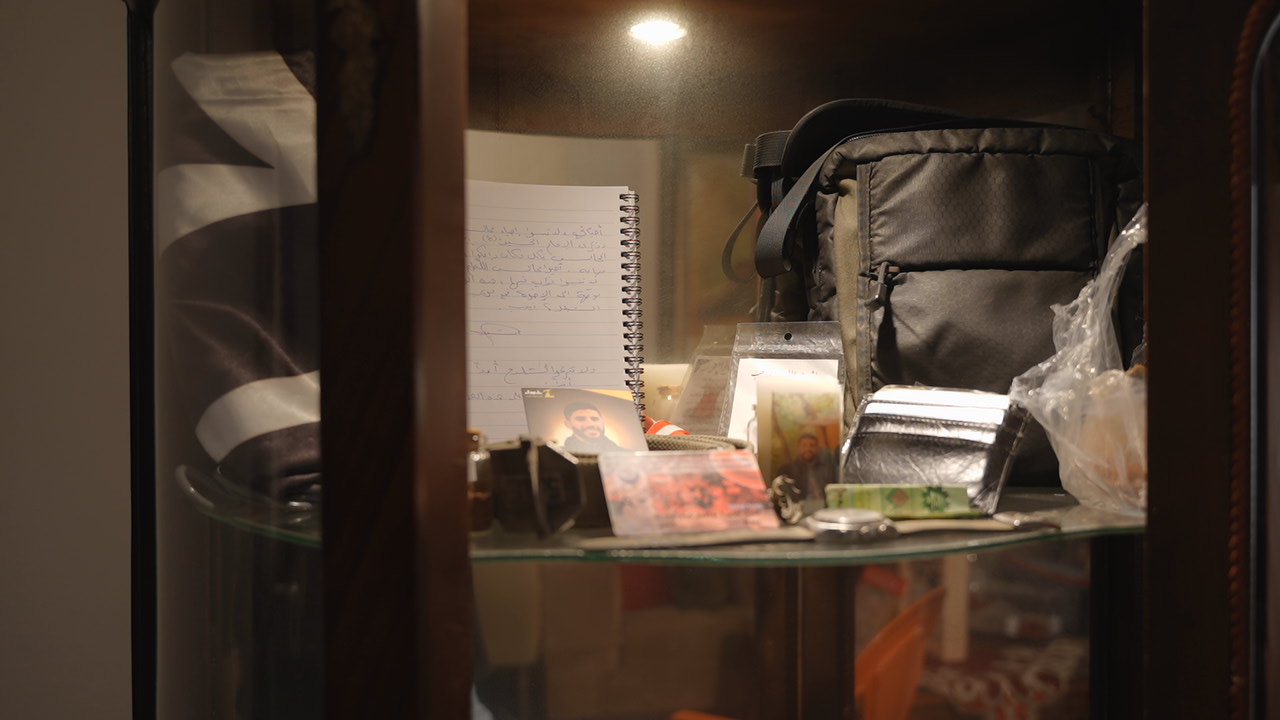
Between the pen and the rifle lies a story of harmony that few know about: to be a university student who holds the pen in one hand to write a bright future with knowledge, and in the other hand, a rifle to fight an enemy who has invaded his land and tries to take it away. When the national duty called him, he responded with all he had and went to sacrifice himself for his land, “the land of the South”.
This is the story of many university students in Lebanon, where Lebanese universities offered their students as martyrs in the war of Al-Aqsa Flood, returning in the final autumn semester of 2024-2025 with empty seats once occupied by these students. Among these universities is Al-Maaref University, which has given more than 60 martyrson the path to Jerusalem. These were struggling students, martyrs, spread across various faculties and specializations at the university: the Faculty of Media, Engineering, Sciences, Management, and the Faculty of Religions.
These students stood out by maintaining a balance between their academic life and their struggle, considering these two paths as complementary to each other, not mutually exclusive. Today, we see many young people who choose resistance and consider knowledge unimportant on this path, while others choose knowledge and believe that struggle and activism might negatively affect their studies, without thinking about how to properly integrate their knowledge into their other path. As a result, we observe a clear disparity in the interests of today’s youth generation.
But in
the midst of all these differences, there came struggling students who stood as
role models for everyone. Among these students were six, each from a different
faculty, who never left their seats in the classroom but held on to them until
their last breath. Four of them were on the verge of graduation, in their final
university year, while the remaining two graduated during the Battle of Al-Aqsa
Flood, received their diplomas, and then set off to fulfill their resistance
duty.
From here emerges a different image than the
one traditionally drawn of the resistor, a picture that erases the resistant
human from life, portraying them solely as someone who seeks death and
martyrdom without living any other part of their life outside of resistance.
This clearer image is that of the university student resistor
An outstanding student who studies with a clear goal in mind, aiming to reach a specific purpose through their knowledge. This is what makes the knowledge here beneficial, “Useful knowledge.”
A struggler who is conscious of the greater cause worth sacrificing for. This awareness means that the struggler does not fight blindly but truly understands why and for whom they are fighting. They know that fighting with awareness, thought, and intellect is fundamental before fighting with weapons. This battle is one of consciousness and insight before it is a physical war
Let’s
start with these young men, then. Each of them carried a great responsibility
as university students. At this age, university youth are often drawn to a love
of life, going out, staying up late, and neglecting their studies, seeing their
age as a time not meant for the burden of studying. Yet, each martyr has a
story, and every martyr carries a message.
ز
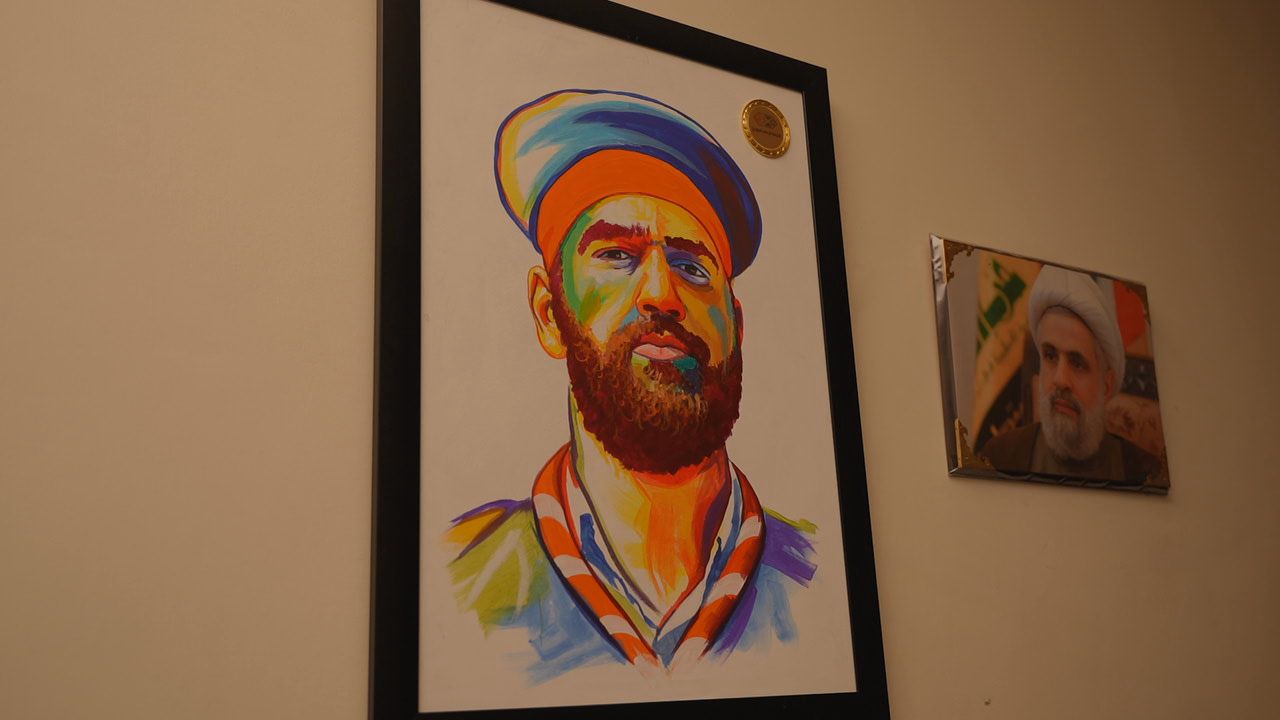
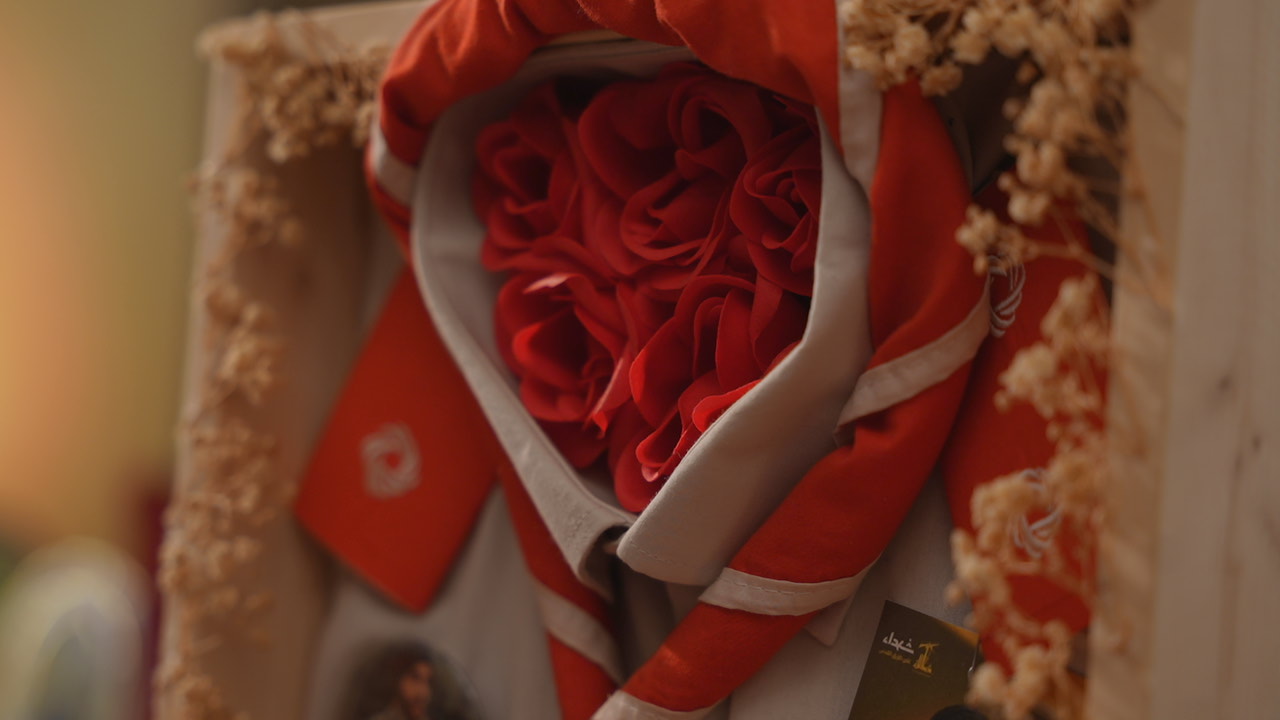
“The last time I saw the martyr was at the book fair. Ali was wearing his scout leader uniform, introducing the young scouts to the fair, helping them, guiding them, with such kindness… And every time I remember the martyr Ali Kobaisy, I see him in that moment, which sums up so much about who he was.” With this story, Dr. Hussein Hammoud summed up his student, the martyr, who, according to him, was a very active student in class: articulate, a good listener, and intellectually curious. His curiosity drove him to constantly challenge and update his knowledge, and when he spoke, it was always to contribute something meaningful and new.
From the Faculty of Management, which offered the highest number of martyrs on the path to Jerusalem, 17 martyrs, came the martyr Ali Kobaisy, who was in his final academic year at the university. He moved between several specializations within the same faculty before finally settling on Economics, a field he believed could be of future benefit to his path in resistance. His investment in this field was driven by a very clear purpose.
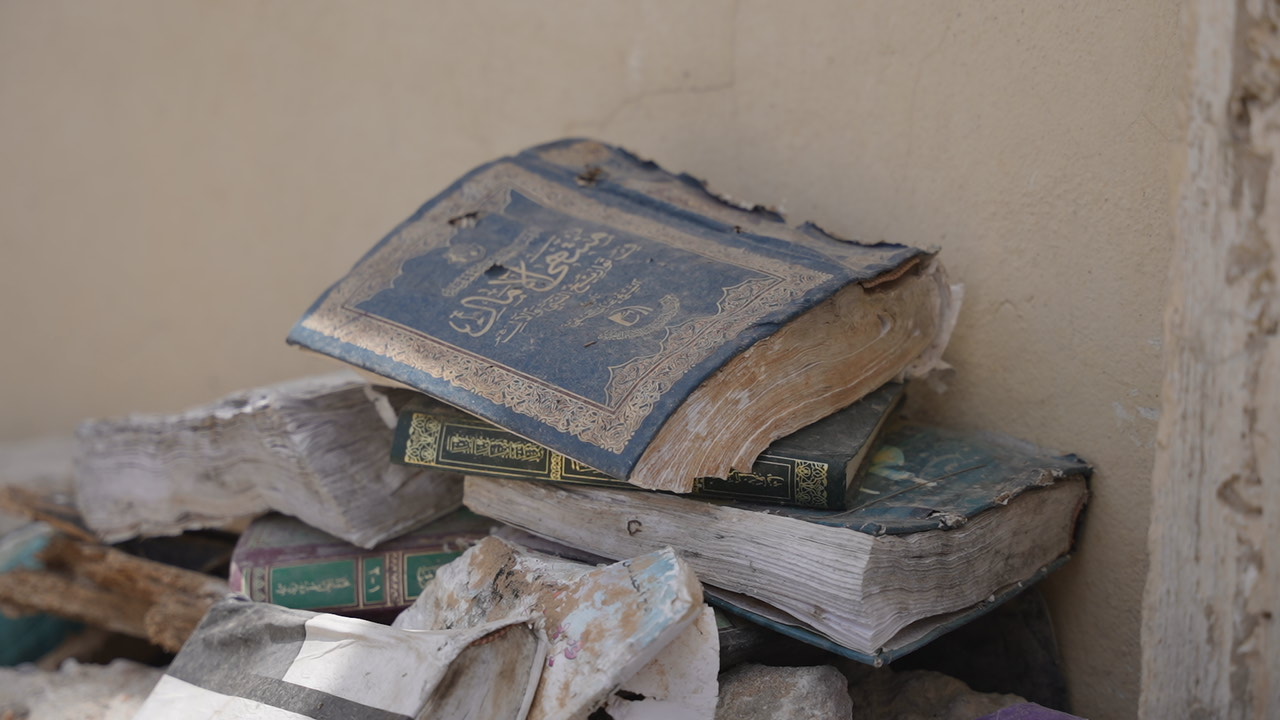
The martyr Ali was a highly disciplined individual, due to the many responsibilities he carried. He was a scout leader, a university student, and also a cultured young man. This became evident from the large number of books in his home. After speaking with his mother, this aspect of his character became even clearer, he was constantly reading, often finishing a book within two to three days at most. The books he read were never random or without value; they were always of religious. or scientific benefit, and he often read works by prominent scholars. His reading had another purpose beyond intellectual nourishment: encouraging others, especially scouts, to read. To achieve this, he created a special WhatsApp group where he would deliver a short lecture on each book he read. These lectures included summaries, aiming to spread knowledge and benefit everyone.
The
martyr carried this quality even to the frontlines of resistance and war. He
insisted on taking a book with him there, and the last thing he read was “Adab
Al-Salah” by Sheikh Ali Reza Panahian. According to the young men who were with
him on the battlefield, he made sure that each and every one of them read the
book as well. This was the secret behind his distinction, to the point that one
of the guys jokingly said to him, “Looks like you're planning to be
martyred...” How could a young man think of taking books and novels with him on
his way to the battlefield? He was someone who fully understood that resistance
is a mindset, an idea he carried, not just a weapon in hand.
Academically,
he had excelled since childhood, and his performance never declined, not even
after entering university. This made him stand out with high grades at the
university as well. He relied heavily on his focus in class, which meant he
didn’t need long hours of studying at home. He would walk out of a lecture and
immediately explain it to everyone around him. This was confirmed by the
martyr’s classmates, who said they understood the material much better when he
explained it. They always looked forward to hearing Ali’s explanations after
lectures, as he had a unique ability to grasp information quickly and deliver
it clearly to others.
Despite all of this, and despite Ali’s life being entirely devoted to closeness with God, he still felt the need to give more. Ali could never accept staying at home during the war. When he was offered a support role in an area far from the frontlines, he refused. He didn’t want to sit and merely eat and drink. His stance was different: either stay in Beirut to help displaced families in schools and organize activities with the scouts, or head to the battlefield and face the enemy. As one of the young men recounted, when someone came to take him to the frontlines, he told Ali that he was going to a place with no food, no rest, and a very high chance of not returning. Still, Ali’s only response was: “I am the one my mother named Haidara,” a declaration of his firm stance and refusal to back down no matter how dangerous the path. He sealed his life with martyrdom.
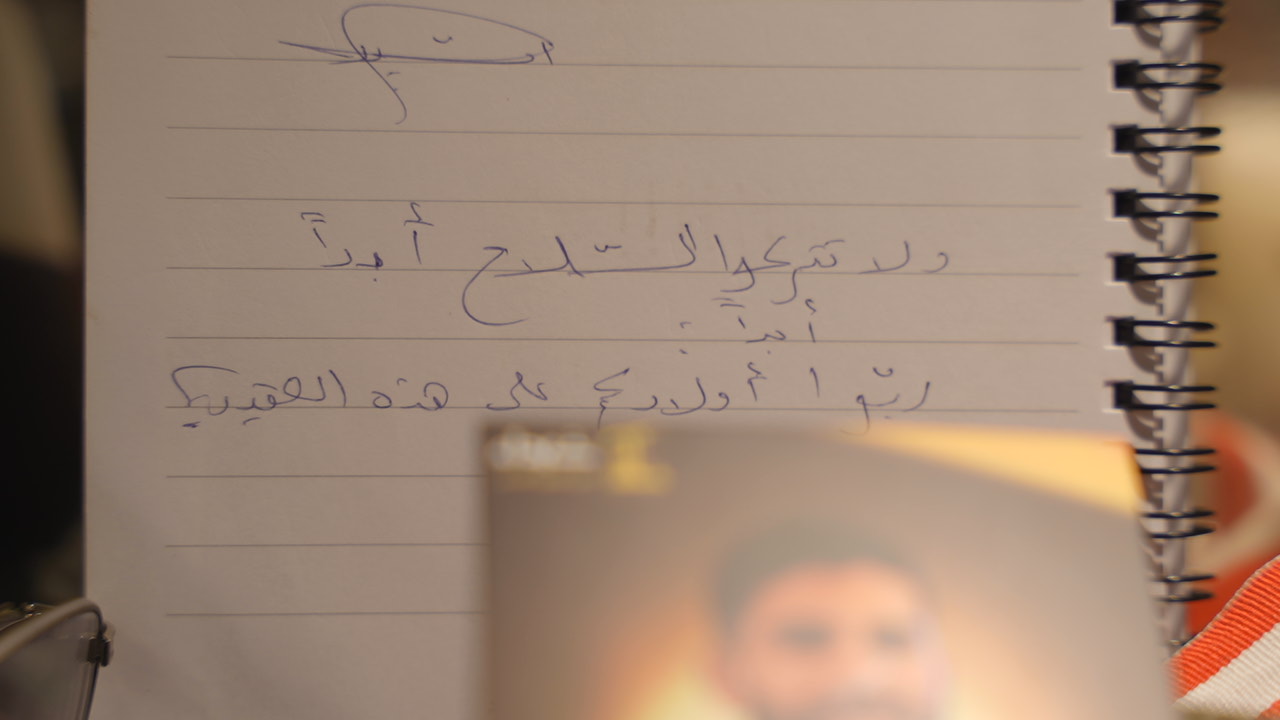
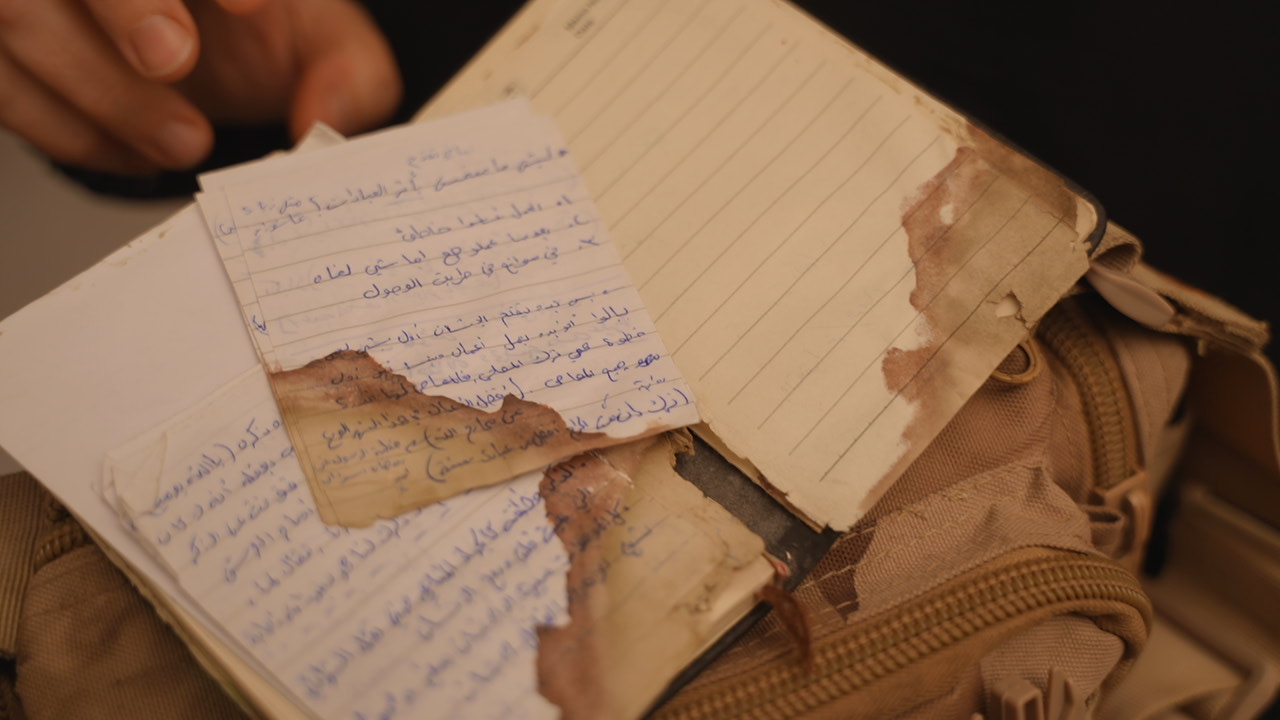
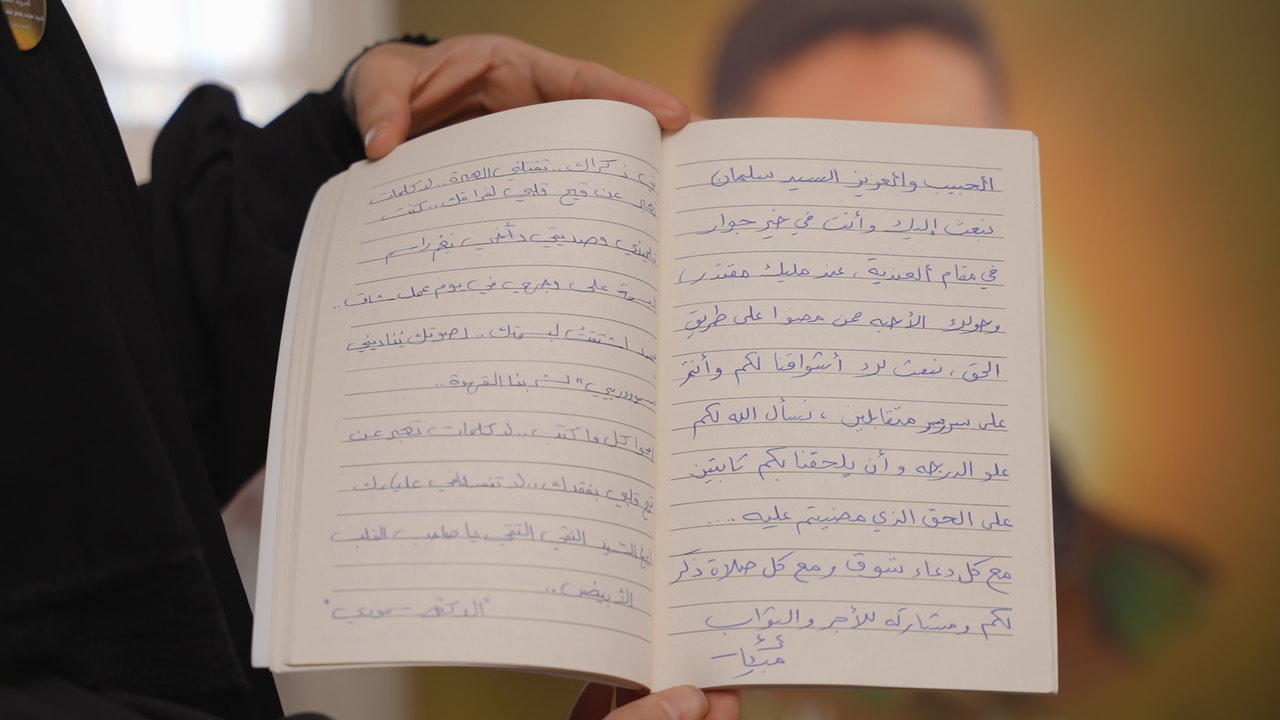
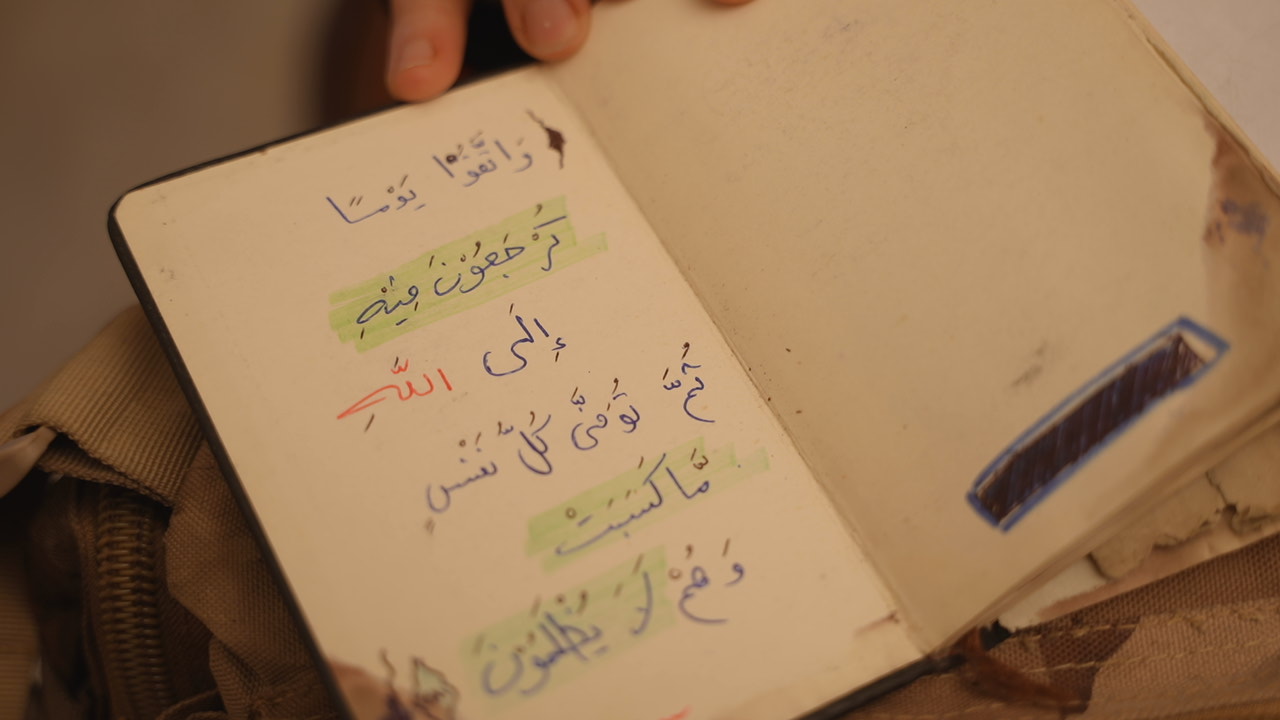
In his notebook, dated August 13, 2024, the following words were found: “Even though I participate in many youth activities and projects like scouts, mobilization, dialogue seminars, and others, I always feel this feeling, a sense of shortcoming, of wasted time, of emptiness... I don't know if this feeling is good or not, but I am burdened with concern: the concern of service, of filling the void, of not wasting time. My main goal is to dedicate my time and abilities to serve this path and this cause as much as possible...” و
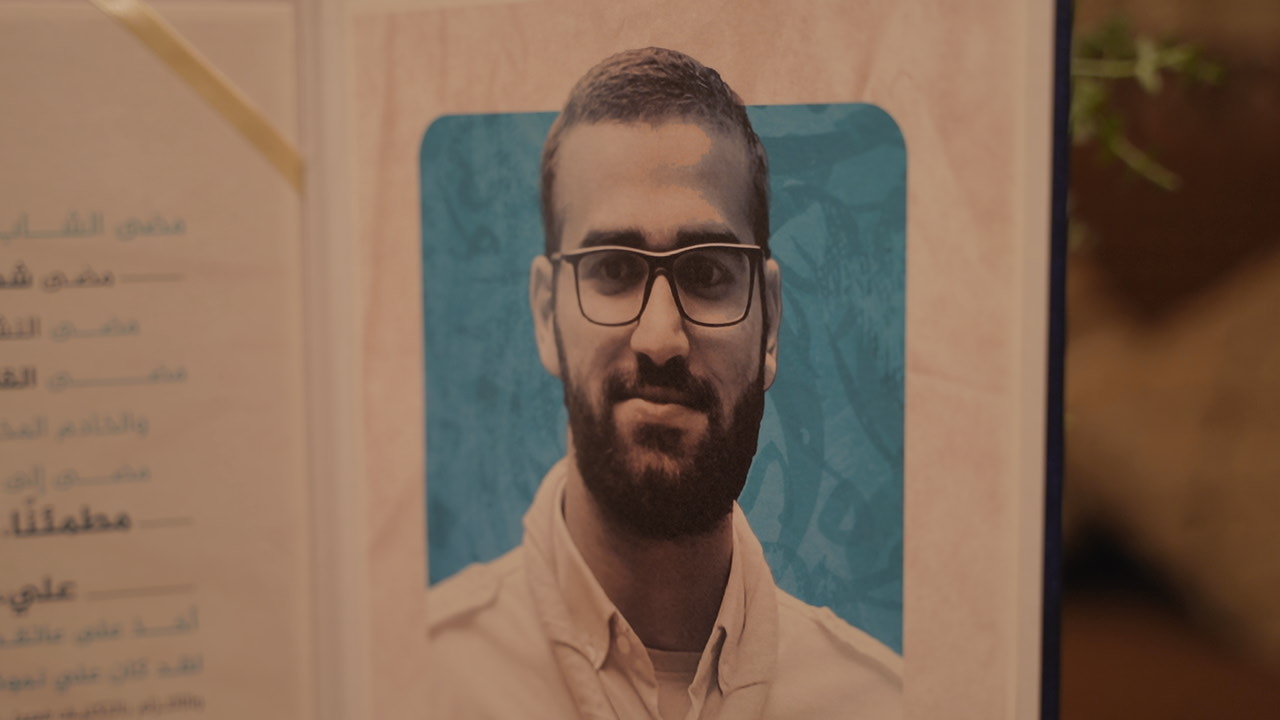
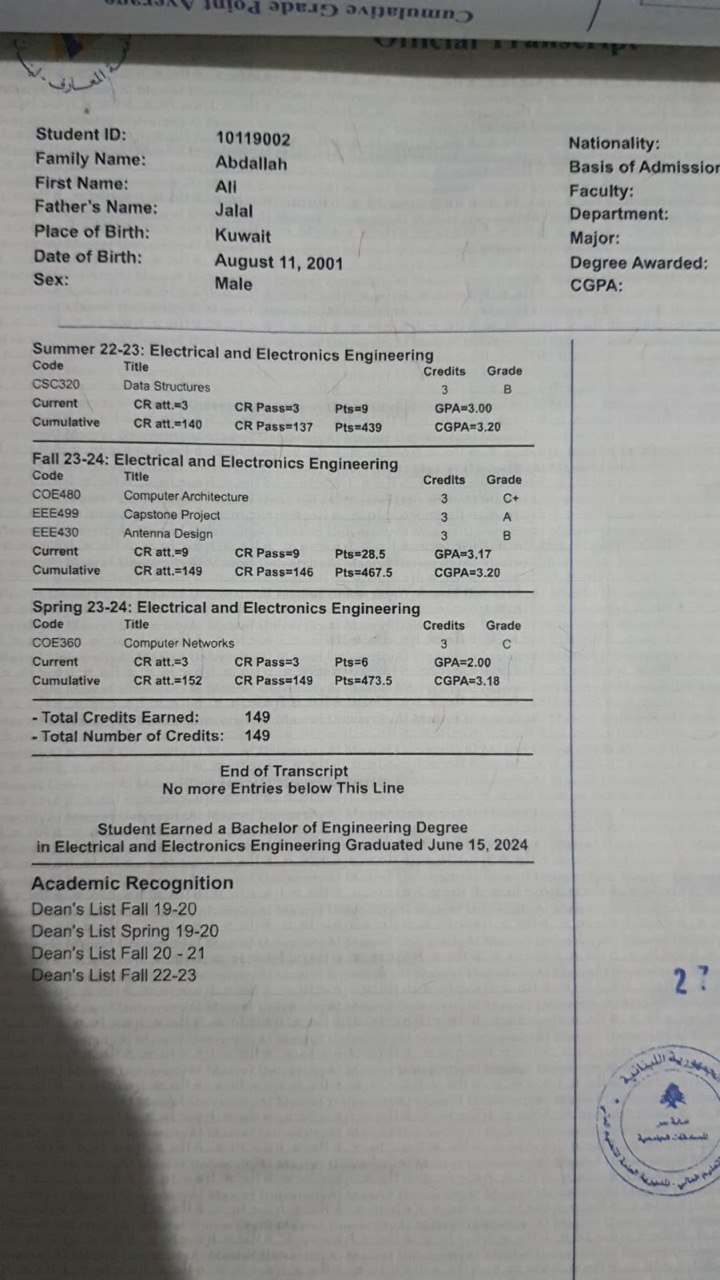
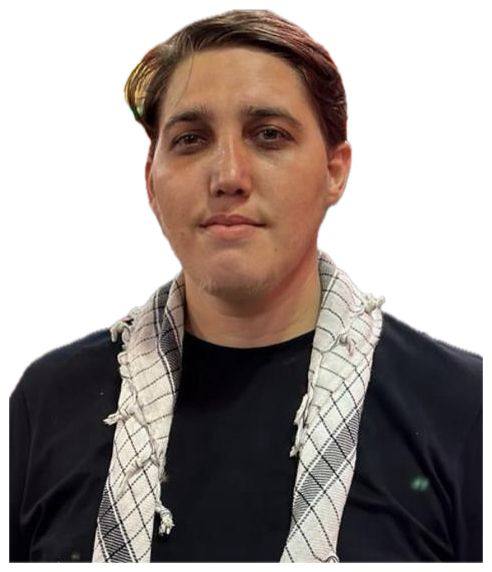
The classrooms of the Faculty of Engineering mourned the loss of 16 student martyrs, among them the martyr Ali Abdallah, who graduated in the spring of 2023–2024. He completed his studies during the Battle of Al-Aqsa Flood, and afterward played a key role in organizing the university’s graduation ceremony alongside professors from the Faculty of Media. The success of the event was due to his efforts, those of his fellow students, and the professors. At the same time, Ali was working toward enrolling in a master’s program at the Lebanese University, and he was accepted. Although he hadn’t initially aspired to pursue graduate studies, over time, and with a growing awareness that resistance also requires knowledge and technology to confront the enemy, his perspective changed. He decided to continue his academic journey, choosing a master’s specialization that would greatly benefit this field. But he didn’t get the chance to complete this remarkable academic path. Instead, he crowned it with the highest of ends, martyrdom.
The martyr Ali noticed a shortcoming in a certain course component in the university lab where engineering students studied. This led him, along with his colleague Ali Jouni, to design their graduation project around the idea of adding a new machine, aimed at serving both the students and the university by accommodating a larger number of students in the classroom. In addition, the project sought to contribute something that could potentially benefit the path of resistance in the future, as it was somewhat related to motors used in drones. This was mentioned by Dr. Hussein Termos in his reflection on the martyr Ali Abdallah, who became a model for a graduation project built on a solid foundation, with clear objectives that serve the field, society, the environment, and the cause of resistance. “Ali’s project is still in the lab downstairs. We’ve placed his picture there. Every time we enter the lab and benefit from what he created, I say to him, ‘Peace be upon you, Ali.’”
The martyr was distinguished in his field, as reflected in his grades and cumulative GPA at graduation. He earned a score of 90 on his graduation project. When we asked Dr. Hussein about Ali’s attendance and participation in class, his answer highlighted Ali’s excellence. Ali’s keen interest in engineering subjects was expressed through insightful questions in class. These questions helped raise the overall level of the class, as they challenged the professor to consistently deliver his lectures with enthusiasm and even go beyond.
The martyr Ali’s concern was not limited to his field of study. According to his fiancée Fatima and a classmate, he was constantly thinking about how to help or contribute something to serve the entire community, especially the resistance. “At one point, he was thinking about how to prepare food for the youth on the frontlines without it spoiling...” From this, it is clear that the martyr was always thinking about how to serve the resistance with his knowledge. He studied in order to dedicate his knowledge and mind to developing capabilities for the resistance or inventing new things that would benefit this cause.
Ali’s martyrdom was not unexpected because he truly deserved it. As his fiancée described him, he was a leader in ethics, a leader in manners, a leader in spirit, a leader in knowledge, a leader in approach, a leader in love, and a leader in all noble qualities. Before he left, when he received approval to go to the battlefield, he was overwhelmed with joy; his facial expressions were indescribable. He knew he was going to meet the Ahl al-Bayt (the family of the Prophet). Despite his constant feeling that he would become a martyr, or his lifelong desire for martyrdom, he never neglected his studies until the very last moment. On the contrary, he worked hard every day to reach his dream and goal. God chose for him another life, a life he truly deserved.
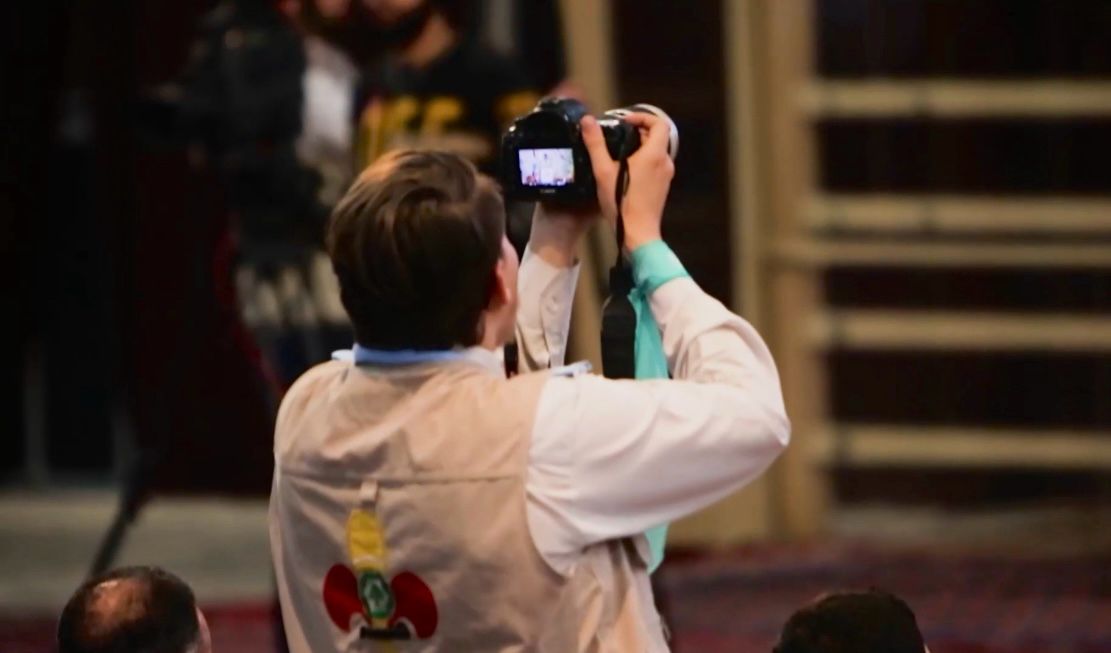
“Honestly, this field truly suits him. Anyone who knows Rida knows that nothing else would fit him better. Whatever he might have chosen, you just can’t imagine him anywhere but in this field that he himself chose.” — A classmate of martyr Rida Irani, speaking about his field of study. Rida, one of six martyrs from the Faculty of Media at the university, was also in his final year of study. He had been thinking about his graduation project for a long time, driven by his love and deep passion for the field. He eagerly awaited graduation so he could pursue his master’s and PhD, as he had long aspired to do.
In speaking with one of the martyr's fellow scouts, Rida’s ambition became even clearer. He told us that Rida was aiming to earn a PhD so that he could one day teach in institutes and universities. Despite already having significant experience in scouting, as head of the media department in the Beirut Scout Commission, he insisted on enrolling in university to earn a degree in his field. He wanted to deepen and refine his skills and experience through academic work and beyond. Rida proved himself strongly to the university professors through his participation in outstanding projects, some he directed, others he acted in. Thanks to his experience, he often collaborated with students, helping and guiding them in the right direction. He encouraged them with phrases like, “It’s really easy, we can do it!” He never discouraged anyone; rather, his positive energy spread to everyone around him. This is why Dr. Hussein Kawtharani, as he said, never began class until Reza walked in. When Rida entered the room, the class would come alive with energy and enthusiasm, because he was someone full of vitality, especially when it came to the work he loved. He would give it everything he had, all the way to the end.
He was passionate about scouting work, constantly seeking to plan and develop the media file. He maintained a high level of organization between his scouting responsibilities and university life, ensuring that he never fell short in either and gave each the appropriate time and effort. His presence at the university wasn’t limited to academics alone. In his second year, he ran for and was elected to the Arts Club, which allowed him to take part in many artistic activities on campus. All of this stemmed from his belief that scouting was a fundamental pillar of personal development, one that promotes knowledge and diligence. Rida was a true embodiment of this principle: he excelled in his academic field and was equally devoted on the path of resistance.
Despite his many responsibilities and his excellence in all of them, Rida never abandoned his commitment to resistance. When he received a call at five in the afternoon informing him that he would be heading to the battlefield the next morning, he didn’t hesitate to say yes. His joy was indescribable, like that of a child receiving a gift. He immediately went to get food so he could cook for his friends, saying: “I’m going to feed you with my own hands, so you can say you ate from the hands of the martyr Rida Irani…” Those were his last words, then he departed.
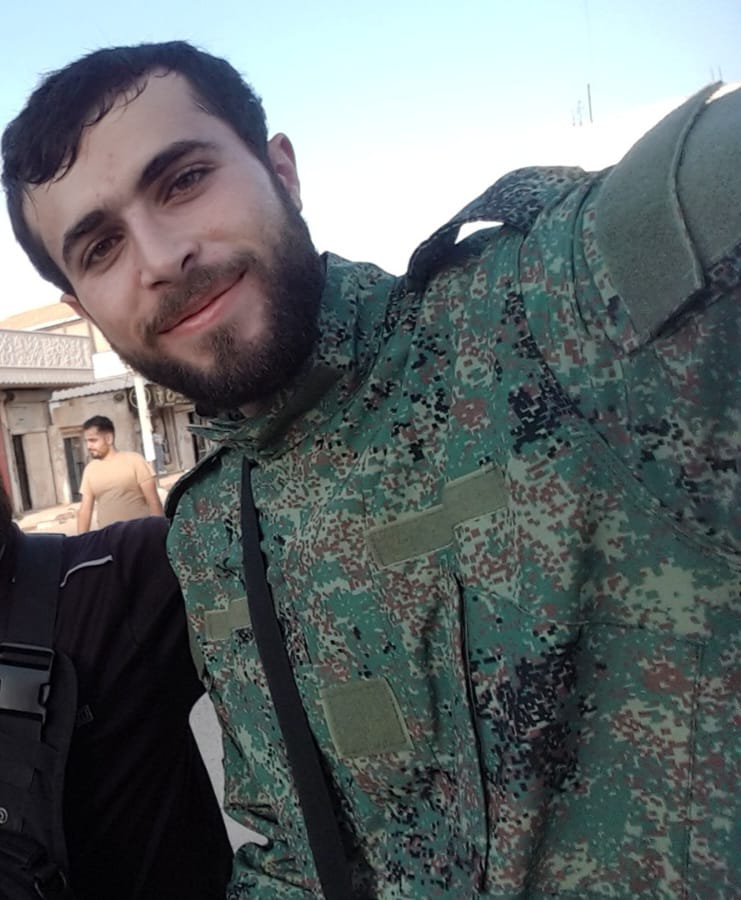
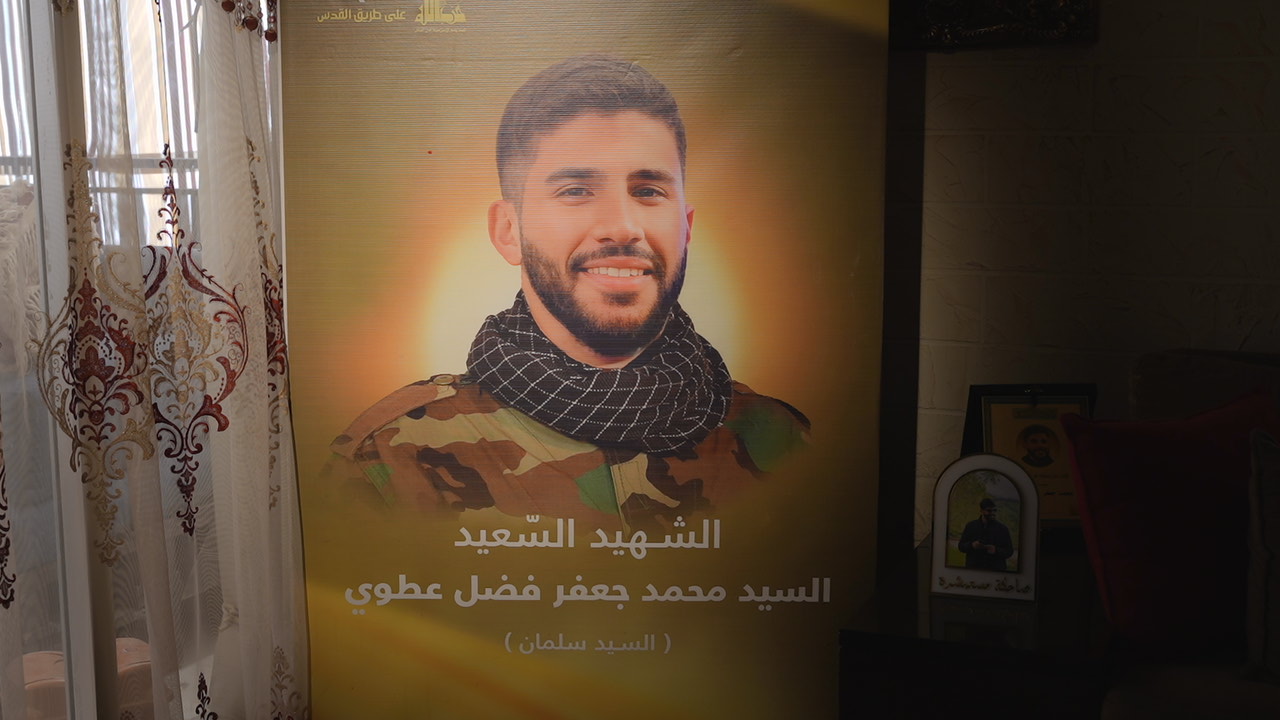
Twelve martyrs came from the Faculty of Sciences at the university, among them was the martyr Mohammad Jaafar Atwi, a student on the verge of graduation. He had completed his graduation project, only its presentation remained. “When he was in school, he had a teacher who was unable to have children, and he loved her very much. Every Mother’s Day, he would save from his allowance to buy her a gift, until he finished school. Today, this teacher always says to the martyr’s mother, ‘He is my son too.’ Since his martyrdom, she spends long hours at his grave.”
From a young age, he stood out for his academic excellence, and he carried that excellence with him into university, consistently ranking among the top in his field, with a very high GPA. He entered this major with one core goal: to dedicate it to resistance work, as his brother said. He encouraged students to focus on their studies, just as he did, because the resistance today needs knowledge, intellect, and critical thinking in the fight. His excellence wasn't limited to university alone. When he attended jihadi training courses, which of course, included both academic and physical assessments, he achieved top scores and rankings, as his mother told us. “He always made me proud. I was so honored by him… He meant the world to me.”
He was exceptional in every way, through his character, his relationships with relatives and classmates, and in the way he organized his time for every task. He was active in scouts and, in addition, worked three jobs simultaneously: perfume bottling, phone credit sales, and part-time shifts at a sweets shop from 6 p.m. until midnight. After returning home at night, he would begin studying for university so as not to let his grades drop in any way. On top of all that, he also served in the Sayeda Zainab procession, helping and following up on all responsibilities. His professor, Dr. Mubarak Mohammad, told us that when the martyr didn’t score well on an exam, he would take initiative to participate more actively in class and solve extra questions, he could never accept leaving his grade as it was. His classroom presence was notable, he regularly participated and showed constant interest. “Some students only care about attending class and understanding the lesson, that’s enough for them. But not him. What mattered to him was truly understanding the lesson, excelling, and scoring outstanding marks. This repeated across all the subjects.” He always had confidence in himself, believing he could accomplish anything. If someone else could learn something, he believed he could too. He never saw any task as too difficult or allowed fear to stop him, he would challenge himself, try, and eventually succeed.
When the battle began on September 23, the martyr requested to go to the front lines and take part in the fighting, but at the time, the numbers were sufficient, and he wasn’t able to go. He tried several times, but it didn’t work out. So, he continued his work in Beirut. According to what his father shared, he felt that his time of martyrdom was drawing near, he didn’t know where that feeling came from. Despite it, he kept working on the final stages of his graduation project with his university professor. He never stopped his work or studies, even with the sense that he was nearing his end. And just a few days before the war ended, on November 18, he was granted martyrdom, in Beirut. Perhaps it was the sincerity of his pursuit that led him to it.
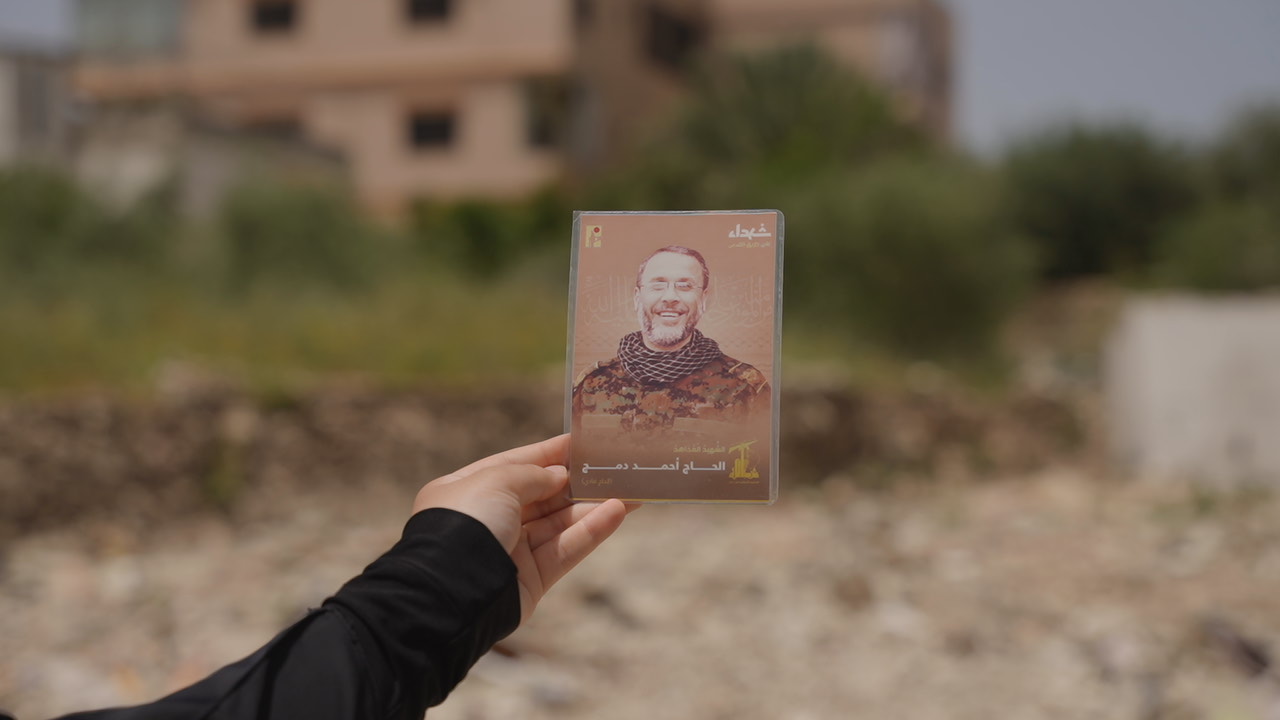
The martyr Ahmad Damaj was one of six martyrs from the Faculty of Religions. He was a father of four children, a school teacher, a student of knowledge, and a struggler, four qualities that define him. When one hears that a person carries all these responsibilities, it might come to mind that they could be neglecting some of them. However, martyr Ahmad proved otherwise. He balanced them in a way that made him excel in each, through his own efforts and with God’s grace
He was described by his daughter as a “model of the Qur’anic person.” He was a student who completed his bachelor's degree in history, then moved on to training, teaching, and studying languages, in addition to courses in the Holy Qur’an. After that, he pursued a specialization in Qur’anic sciences, all of this in his pursuit of closeness to God Almighty. He carried the responsibility of building this community and always drawing closer to God, which explains his continuous effort to seek knowledge and grow over time. He also passed this energy on to his family. His daughter said that he always encouraged her and her siblings to participate in anything that could increase their knowledge, especially in their fields of study and in their religion.
"Everything I know about the martyr Ahmad, I did not learn from him directly, but from his colleagues, his students, and the university professors. When we sit in our rooms, there is always an unspoken or unplanned consensus among the professors whenever students are mentioned. What stood out from the professors at the university when talking about Ahmad was his love for knowledge and seeking it, his noble character, and his kind nature. This was well known to us." This is what Dr. Kamal Al-Lezzeik, the former dean of the Faculty of Religions at Al-Maaref University, said. He accompanied the martyr in several courses until his martyrdom. Ahmad had registered for a course in his final semester with Dr. Kamal shortly before his martyrdom. His name remained on the class roster, and every time the professor read his name, he would remind the students that this student had been martyred, sharing stories about Ahmad’s dedication to his knowledge and his constant passion for improvement. Leaving such an impact is nothing but proof of a student’s excellence in both his field and character.
As for his role as a teacher, one of his students at Al-Mahdi School confirmed his calm demeanor, his patience in the classroom, and his attentiveness to students in all their situations, always striving to help them. He was constantly keen on providing them with the fundamentals of religion and the Qur’an, and encouraging them to hold firmly to these values in life. In every situation where someone sought his help, he would turn to Qur’anic teachings as the initial key to addressing the issue. This exemplary teacher, the mentor, the learner, and the educator, never gave up on knowledge, even with the passing of years. Every time he felt capable of continuing and learning more, he did so without hesitation. Just before the outbreak of the major war, he had registered for his final courses at the university. But when his national duty called and the war escalated, he answered the call and concluded his journey, academic, religious, and in resistance, with martyrdom.
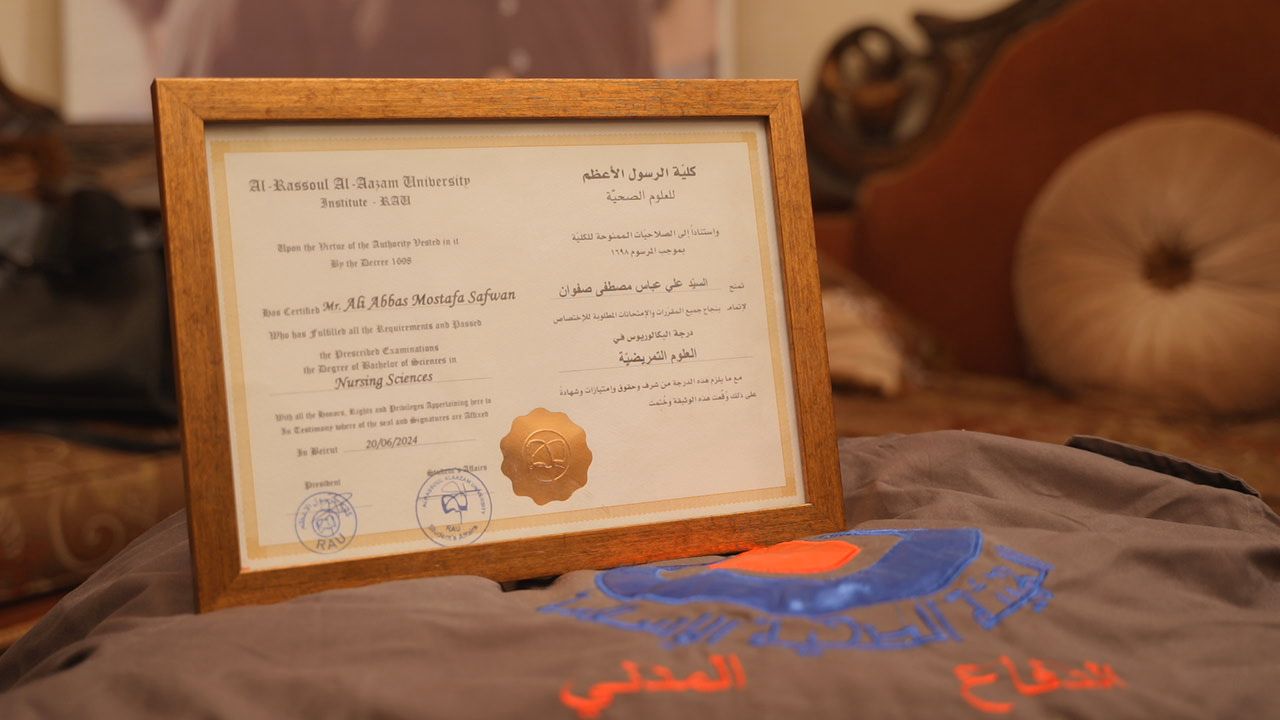
From the Faculty of Health Sciences, ten martyrs rose, among them the martyr Ali Safwan, a graduate of the academic year 2023–2024. Ali chose to study nursing because of his deep love for helping people. He had been a volunteer with the Islamic Health Society even before starting university, and he chose this field to practically and more broadly develop what he had already been doing with the society. He graduated on the first day, and on the second day, he headed straight to the frontlines, serving on the front rows alongside the youth of the Health Society.
Ali’s ambition to continue his path and study medicine led him to apply for a scholarship in Iran, and he received approval just before heading to the frontlines. When faced with the choice between going to the battlefield or traveling, he chose to defend his land and stay, saying that if he survived and still had the chance to travel later, he would do so then. Additionally, he needed to take the colloquium exam to begin practicing as a nurse in his country if he wanted to continue in this field. After missing the first opportunity to apply due to his duties during the support period, his professors encouraged him to apply again, as his excellence in his specialty and high grades positioned him to excel in the exam as well. But…
“He said to me, ‘Don’t you want me to succeed?’ I replied, ‘I don’t care.’ He said, ‘But I want to make you proud.’ I said, ‘Ali, my dear, that’s not how it works. We come to attend, we prepare ourselves; you’re not allowed to take the exam if you’re not ready.’ I was scolding him because he’s a good student, but I didn’t know where his mind was. I didn’t realize that what he meant was he wanted to make us proud in front of Al Sayeda Al Zahraa.” With these words, Ali’s professor, Manal Sbaity, bid him farewell. She praised his excellence in all his major courses and commended his beautiful character and good treatment of everyone. He would greet her every day before heading to lectures and built warm relationships with all his professors. His good reputation was often mentioned in their conversations, which was evident during talks with Dr. Mohammad Jaber and another professor. He was close to both of them and their families, winning everyone’s affection through his good manners and kindness.
Just as books accompanied the martyr Ali Kobaisy to the front, Ali Safwan’s sister told us that he never abandoned his studies; they accompanied him as well to the battlefield. He continued to draw knowledge even while in combat, studying for the colloquium exam so he could return from the front to take the test. But he won the greatest exam and achieved the most beautiful result, martyrdom. “He was boiling tea when the enemy struck near the place where they were. The martyr Ali suffered a second-degree burn on his hand. They offered to send him back for treatment, but he refused. He insisted on staying at the front, settling for simple treatment until his return...”
The names of the martyrs echo through the halls and pages of the university, one martyr after another, Al-Maaref University receives news of their loss. The university experiences two emotions, as explained by Dr. Kamal Al-Lezzeik, Dean of Student Affairs, during our interview with him. They feel sorrow and grief for their students who were part of their community. From the very beginning, the university’s motto has been to serve these students by equipping them with knowledge and skills. On the other hand, there is also a feeling of joy and pride for what these students have achieved individually, they have gained a blessing from God that many dream of, having walked the path of truth. This is why the martyr is called “martyr,” because they bear witness to the truth and have testified to it with their lives. To commemorate their memory, the university spares no effort in honoring them, organizing a variety of activities in tribute to the martyrs and their families.
The university was honored to welcome the families of the martyrs through a delegation consisting of the dean of the faculty and some of its members, along with a delegation from the university, to stand by their side and share in their condolences and this honor.
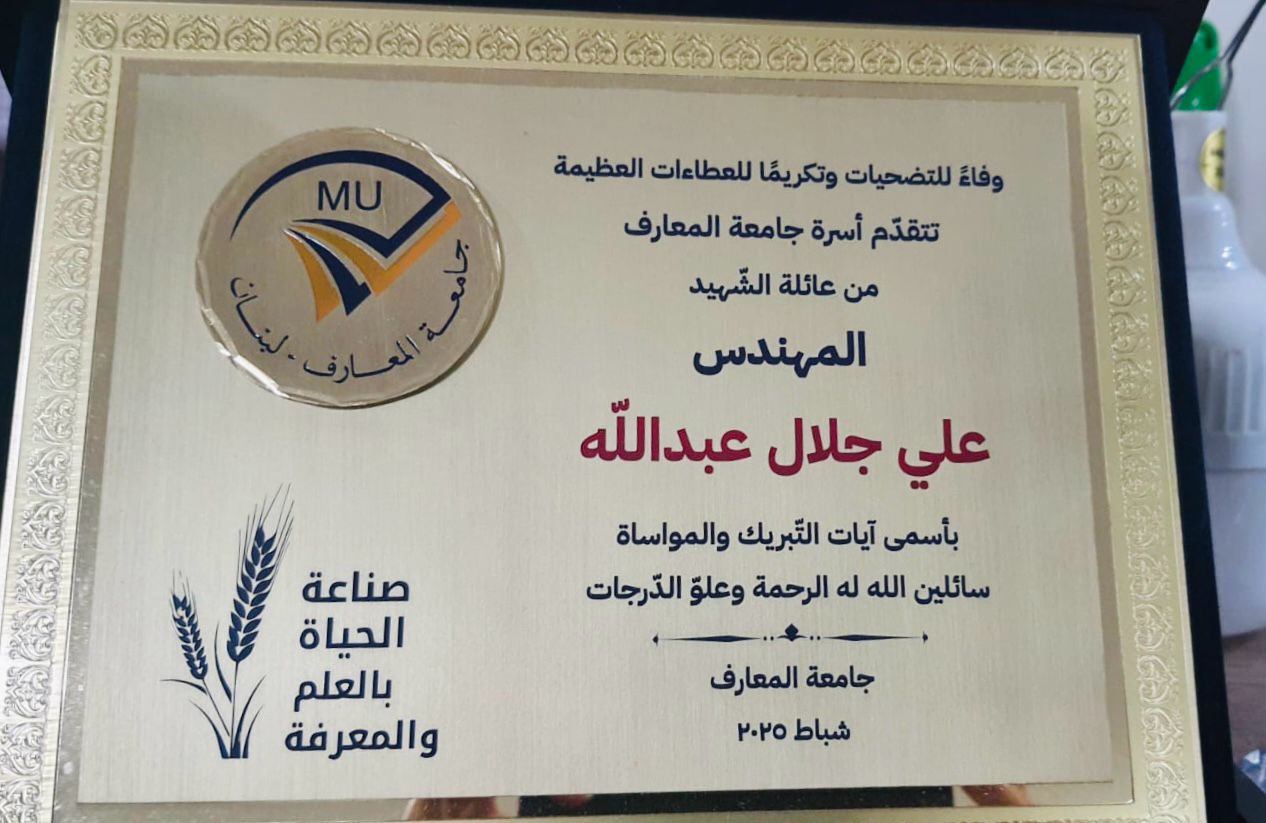
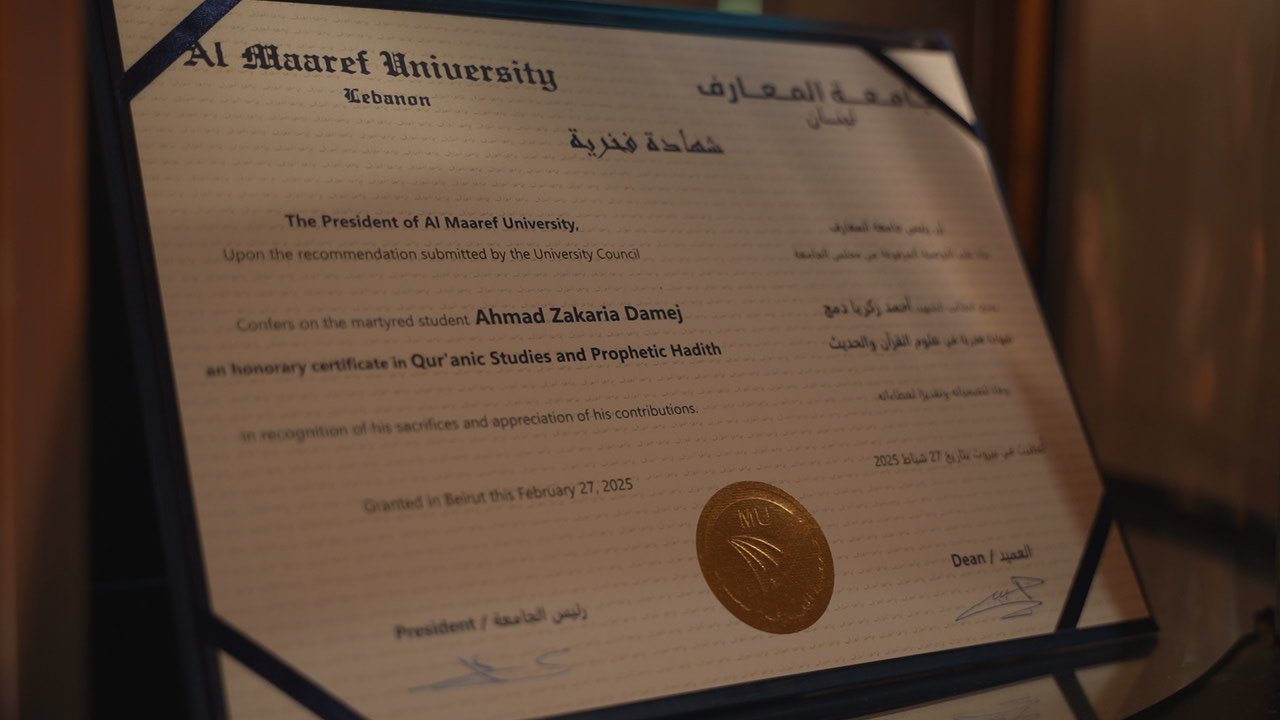
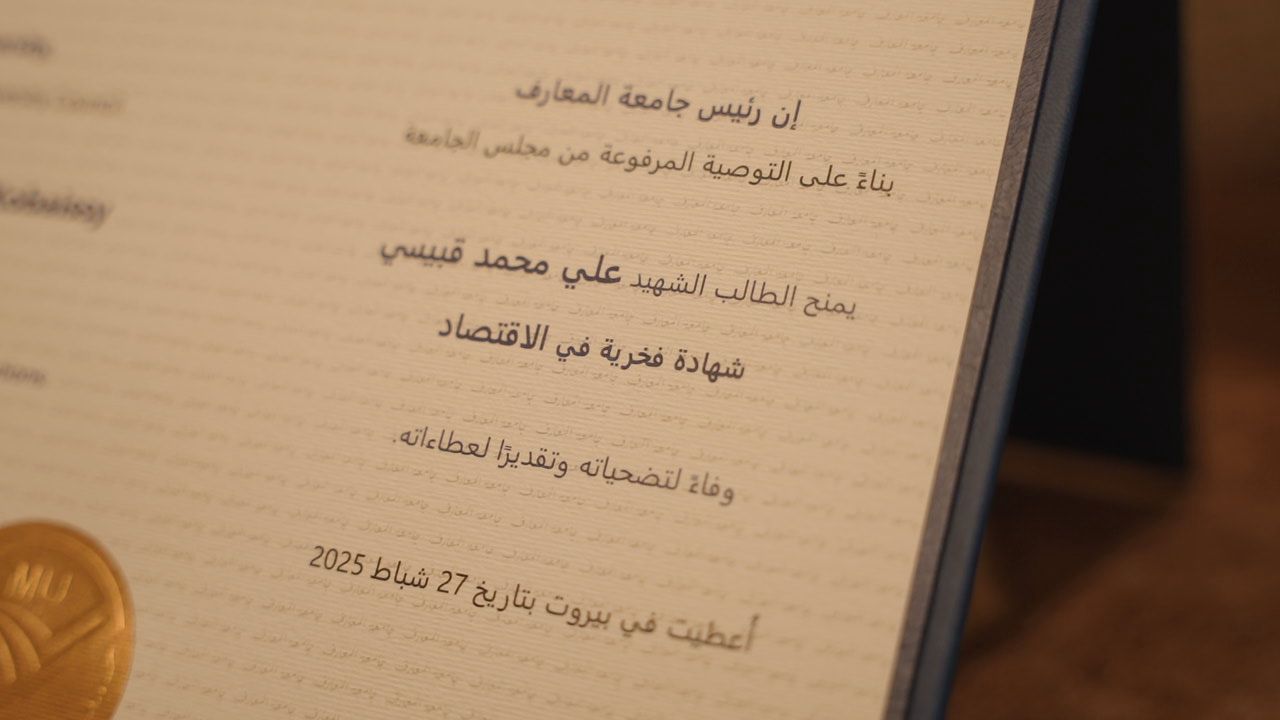
The university organized a commemorative ceremony honoring all the martyrs, welcoming their families and granting honorary degrees in the name of each martyr.
The activities organized by the university clubs included placing photos of the martyrs at the university entrances to remind students that the spirits of their classmates still remain among them.
Each faculty continuously maintains ongoing follow-ups with the students’ families.
Because loss and pain do not affect only the family but also the classmates and friends of the martyred students, the university made sure to stand by them during these difficult times. To that end, it launched a counseling program at the beginning of the fall semester in November. In our interview with Ms. Miray Khafaja, Director of the Student Affairs Department at the university, she explained that the program consisted of a male and female counselor who supported the students at scheduled times. This counseling service was provided free of charge, either individually, through the student’s initiative to contact a counselor and schedule confidential, trustworthy, and private sessions, or through a series of workshops aimed at supporting the students comprehensively, both academically and psychologically
Learning how to deal with loss properly to prevent
depression, anxiety, and other issues that may affect their future lives,
providing a safe and healthy environment for emotional release
Strategies for students to cope with psychological and academic changes in a different environment under stressful conditions
.
Raising awareness and skills, and building personal resilience to handle various daily stresses
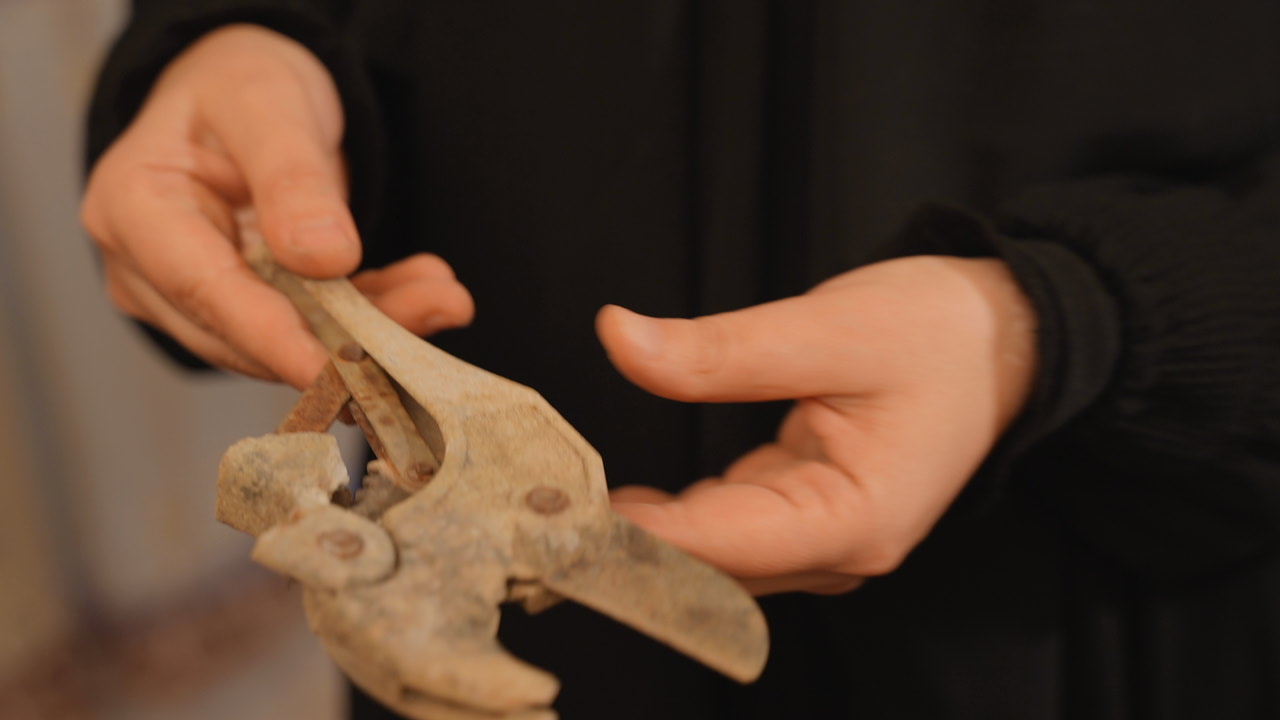
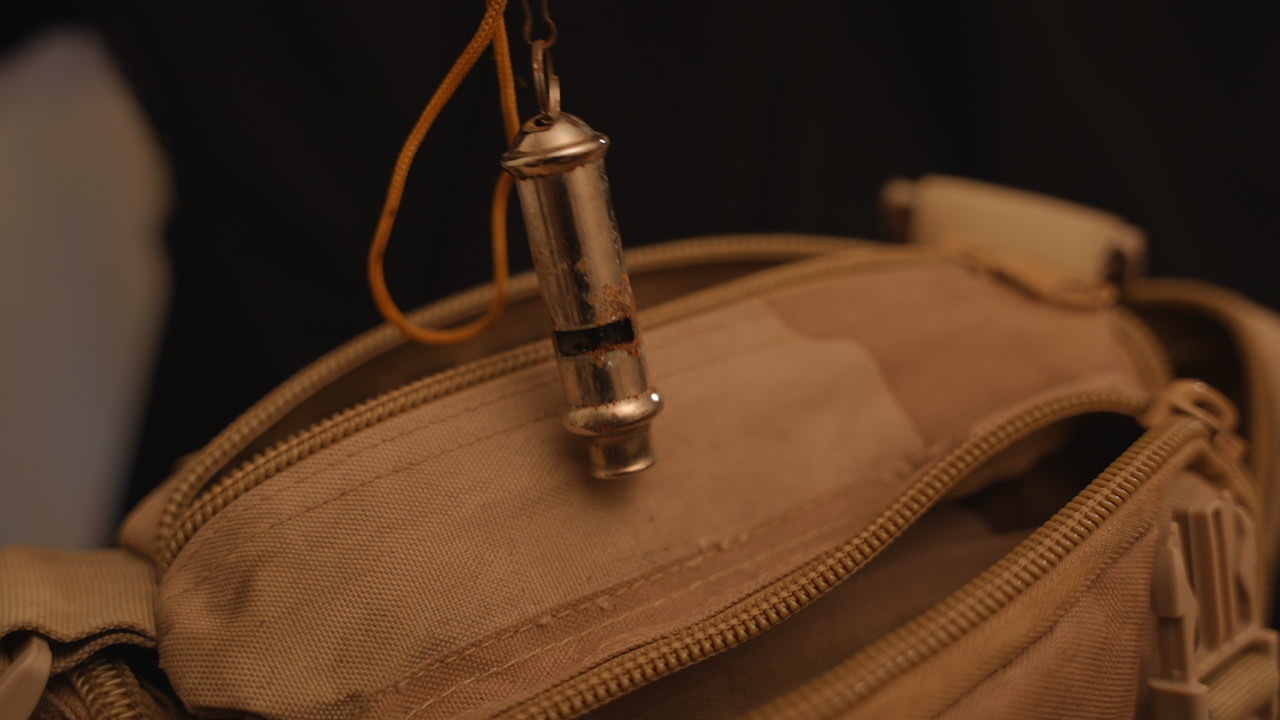
Some of their traces
“We are proud because among the
sons and daughters of the homeland are those from our institution. We take
pride in defending this homeland, that students from our institution stood up
to defend the country. This pride is ours.”
— Dean of Student Affairs, Dr
Kamal Al Lezzeik