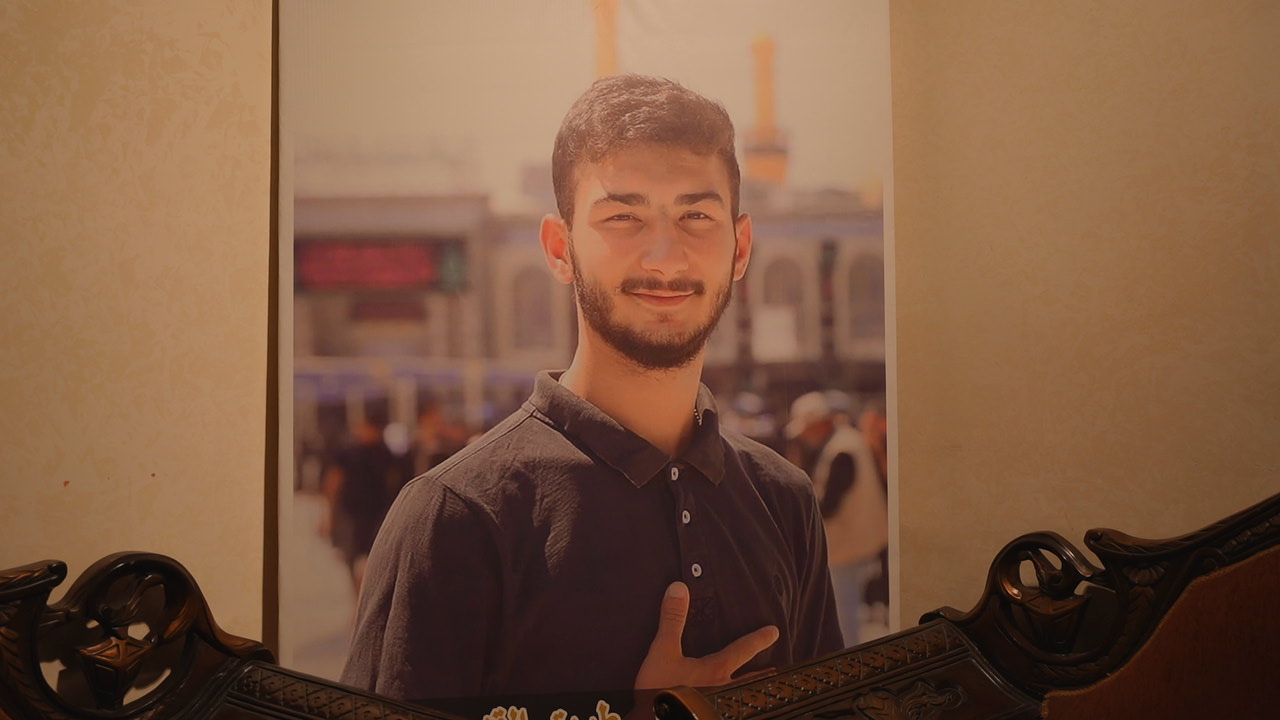
The Martyr Ali Kobaisy
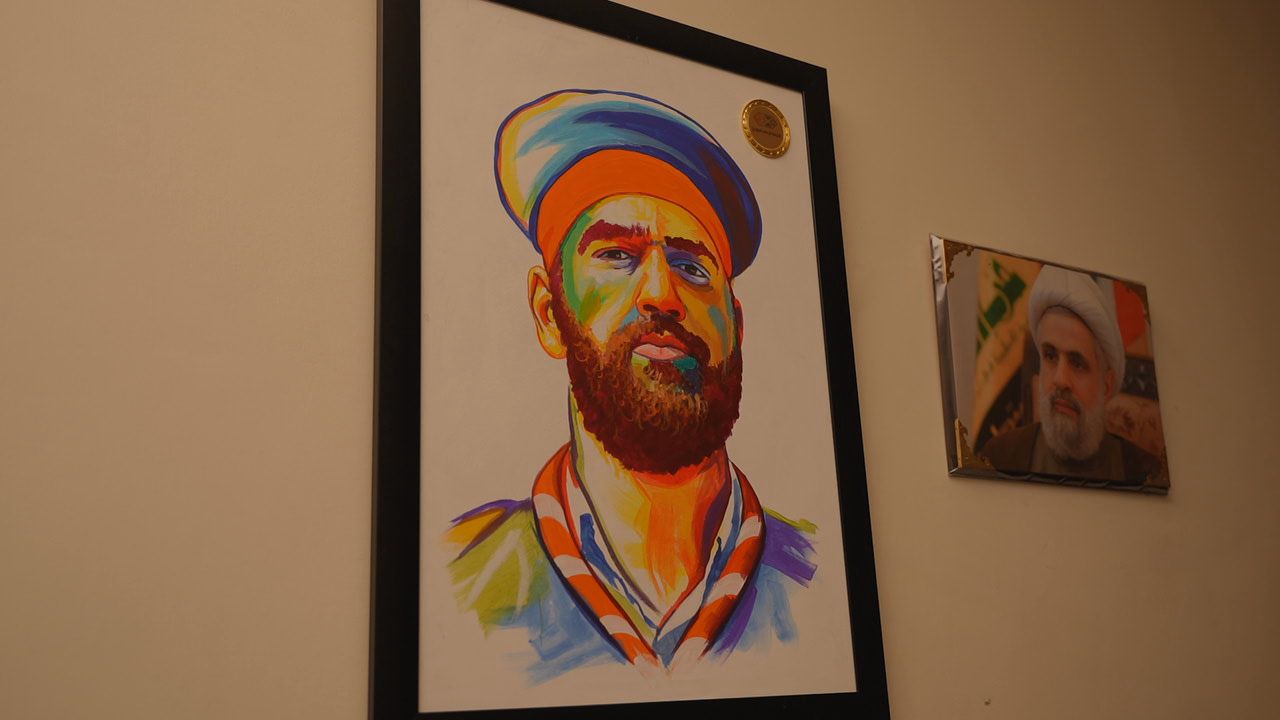
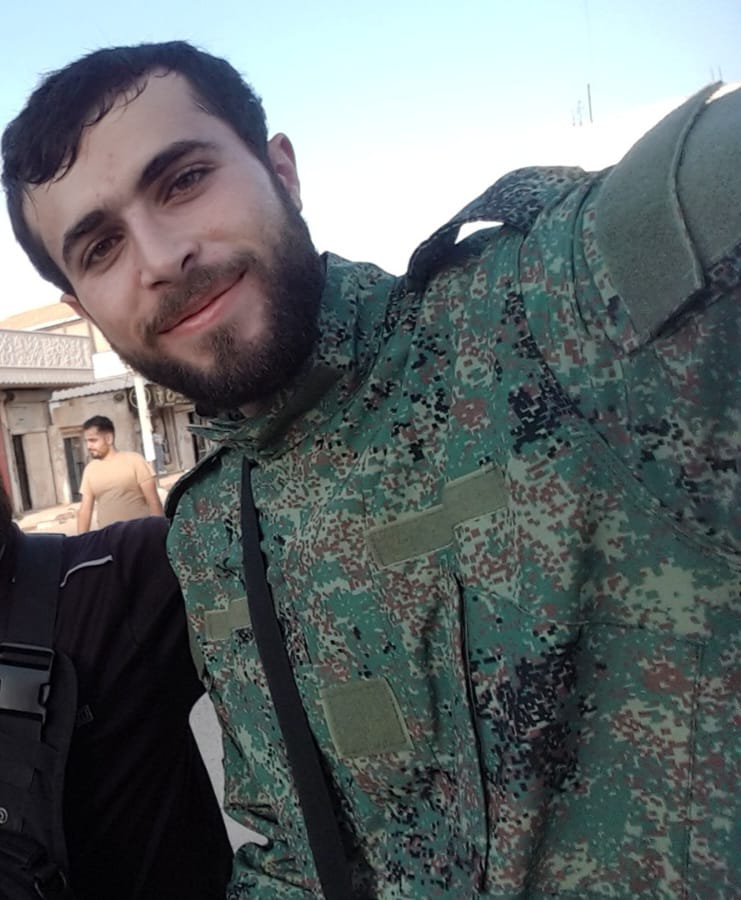
“The last time I saw the martyr was at the book fair. Ali was wearing his scout leader uniform, introducing the young scouts to the fair, helping them, guiding them, with such kindness… And every time I remember the martyr Ali Kobaisy, I see him in that moment, which sums up so much about who he was.” With this story, Dr. Hussein Hammoud summed up his student, the martyr, who, according to him, was a very active student in class: articulate, a good listener, and intellectually curious. His curiosity drove him to constantly challenge and update his knowledge, and when he spoke, it was always to contribute something meaningful and new.
The Martyr Ali Kobaisy
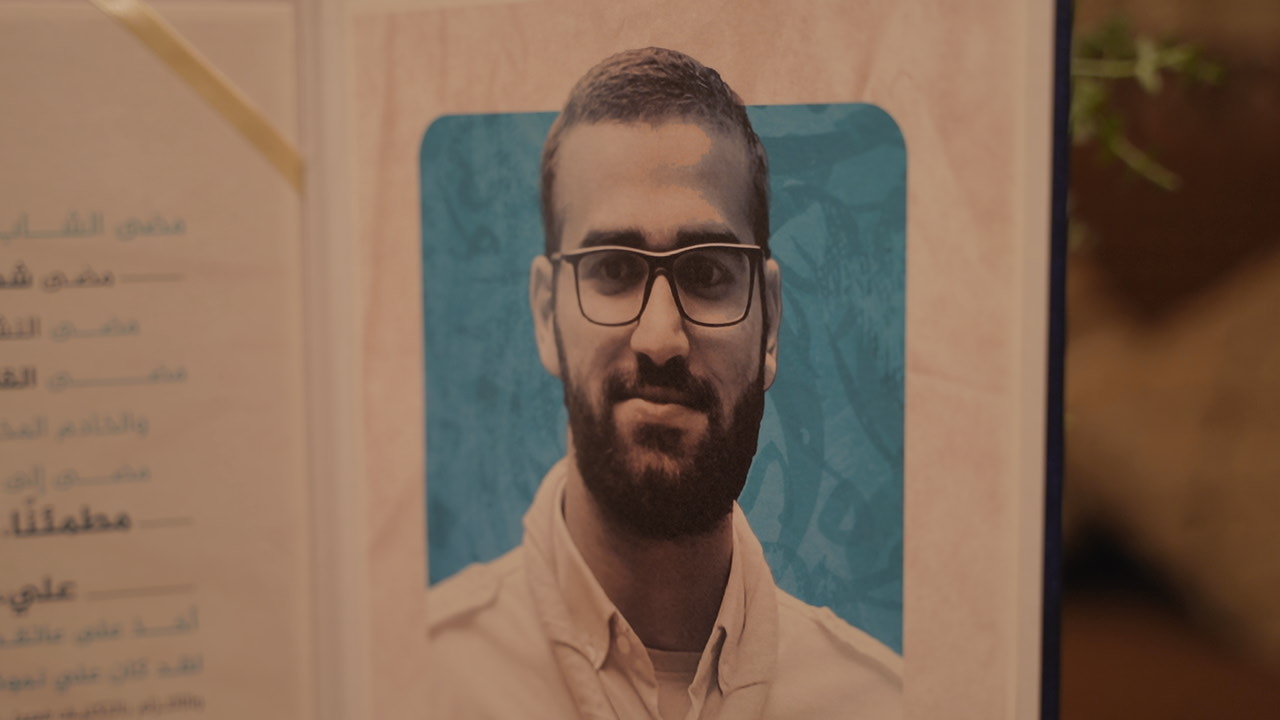
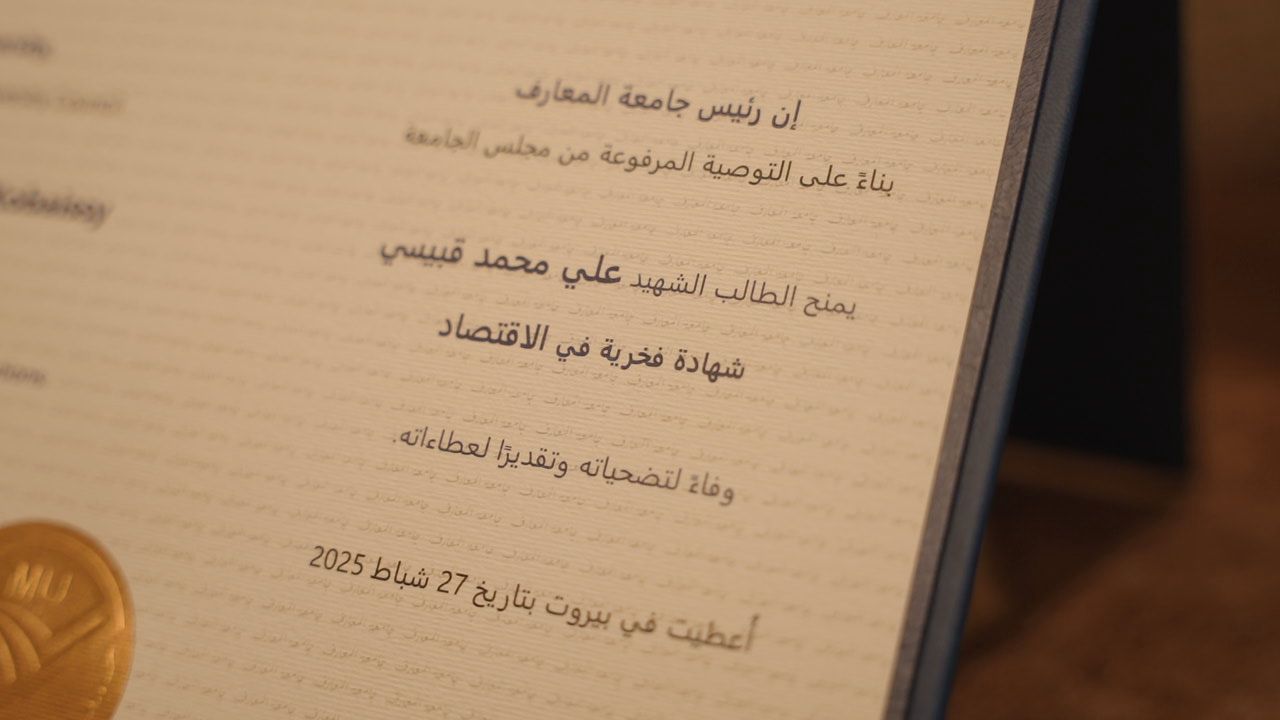
From the Faculty of Management, which offered the highest number of martyrs on the path to Jerusalem, 17 martyrs, came the martyr Ali Kobaisy, who was in his final academic year at the university. He moved between several specializations within the same faculty before finally settling on Economics, a field he believed could be of future benefit to his path in resistance. His investment in this field was driven by a very clear purpose.
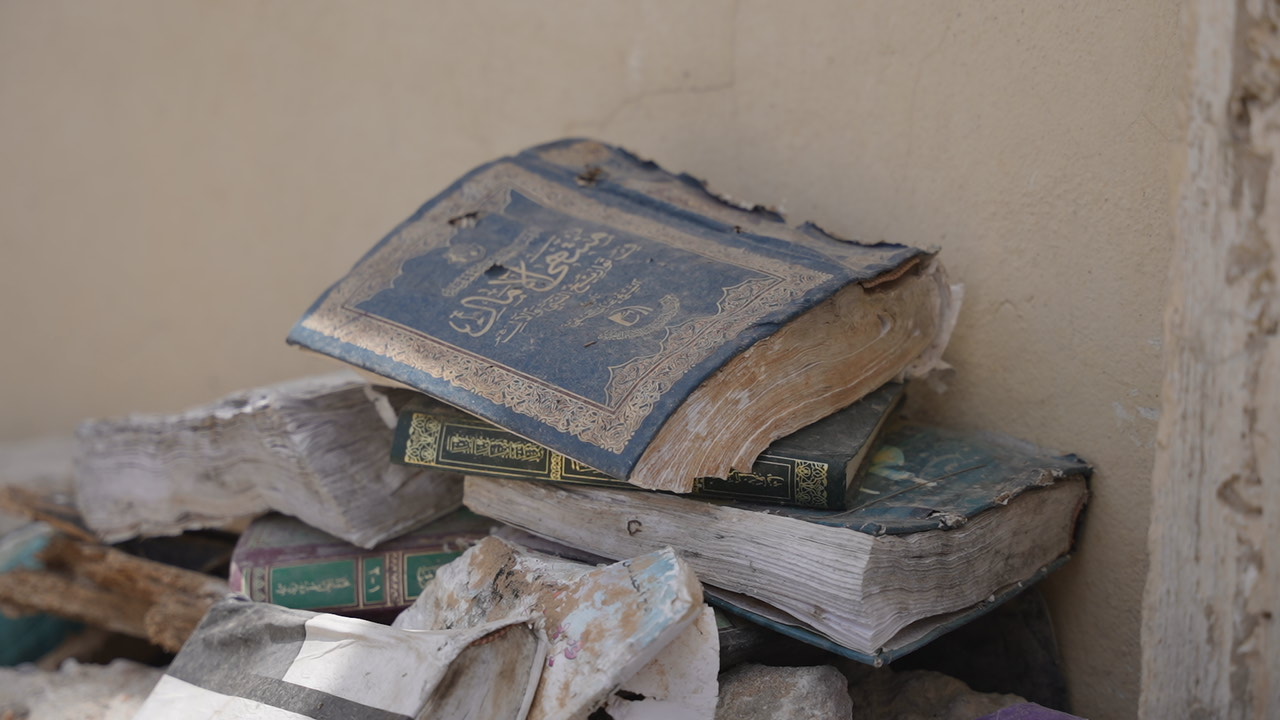
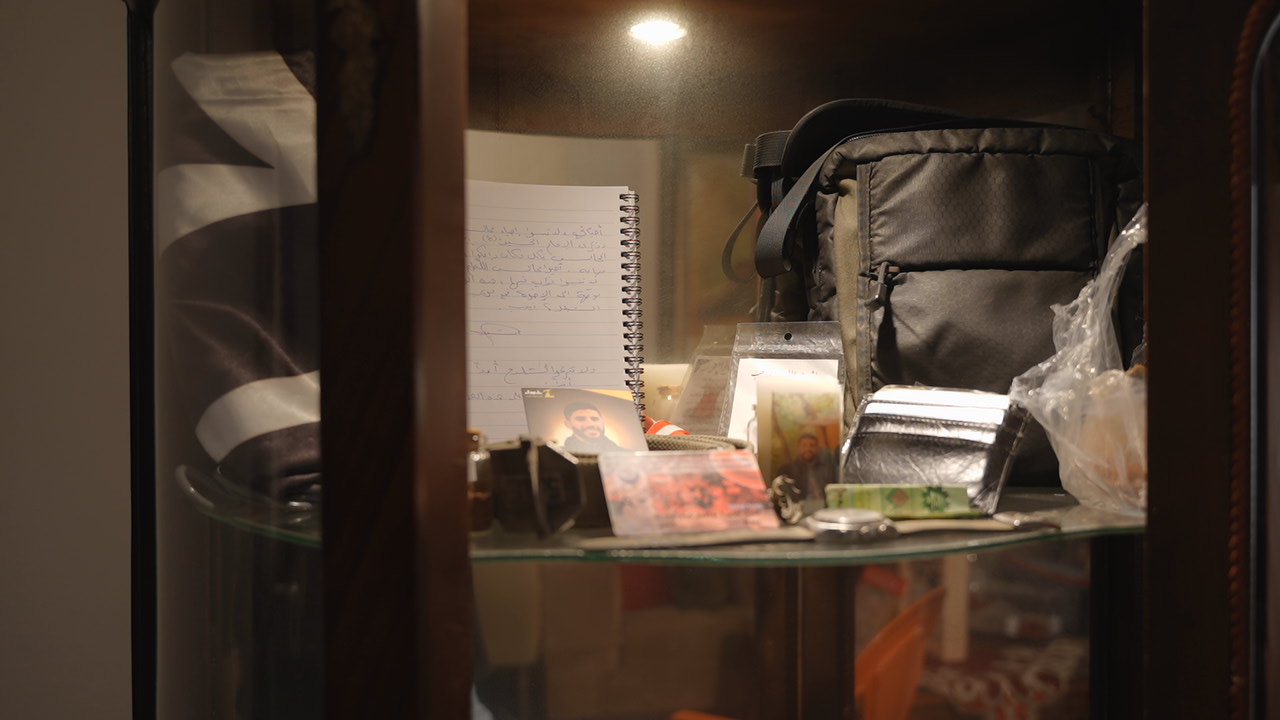
The martyr Ali was a highly disciplined individual, due to the many responsibilities he carried. He was a scout leader, a university student, and also a cultured young man. This became evident from the large number of books in his home. After speaking with his mother, this aspect of his character became even clearer, he was constantly reading, often finishing a book within two to three days at most. The books he read were never random or without value; they were always of religious. or scientific benefit, and he often read works by prominent scholars. His reading had another purpose beyond intellectual nourishment: encouraging others, especially scouts, to read. To achieve this, he created a special WhatsApp group where he would deliver a short lecture on each book he read. These lectures included summaries, aiming to spread knowledge and benefit everyone.
The
martyr carried this quality even to the frontlines of resistance and war. He
insisted on taking a book with him there, and the last thing he read was “Adab
Al-Salah” by Sheikh Ali Reza Panahian. According to the young men who were with
him on the battlefield, he made sure that each and every one of them read the
book as well. This was the secret behind his distinction, to the point that one
of the guys jokingly said to him, “Looks like you're planning to be
martyred...” How could a young man think of taking books and novels with him on
his way to the battlefield? He was someone who fully understood that resistance
is a mindset, an idea he carried, not just a weapon in hand.
Academically,
he had excelled since childhood, and his performance never declined, not even
after entering university. This made him stand out with high grades at the
university as well. He relied heavily on his focus in class, which meant he
didn’t need long hours of studying at home. He would walk out of a lecture and
immediately explain it to everyone around him. This was confirmed by the
martyr’s classmates, who said they understood the material much better when he
explained it. They always looked forward to hearing Ali’s explanations after
lectures, as he had a unique ability to grasp information quickly and deliver
it clearly to others.
Despite all of this, and despite Ali’s life being entirely devoted to closeness with God, he still felt the need to give more. Ali could never accept staying at home during the war. When he was offered a support role in an area far from the frontlines, he refused. He didn’t want to sit and merely eat and drink. His stance was different: either stay in Beirut to help displaced families in schools and organize activities with the scouts, or head to the battlefield and face the enemy. As one of the young men recounted, when someone came to take him to the frontlines, he told Ali that he was going to a place with no food, no rest, and a very high chance of not returning. Still, Ali’s only response was: “I am the one my mother named Haidara,” a declaration of his firm stance and refusal to back down no matter how dangerous the path. He sealed his life with martyrdom.
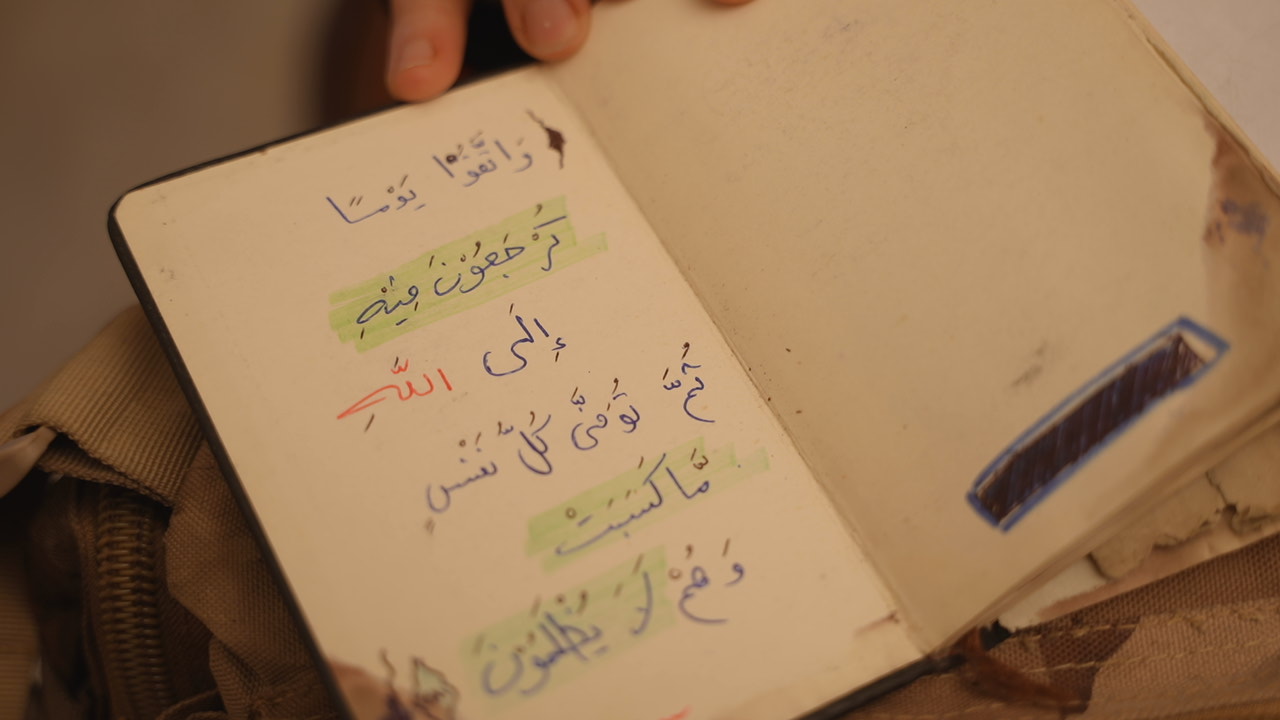
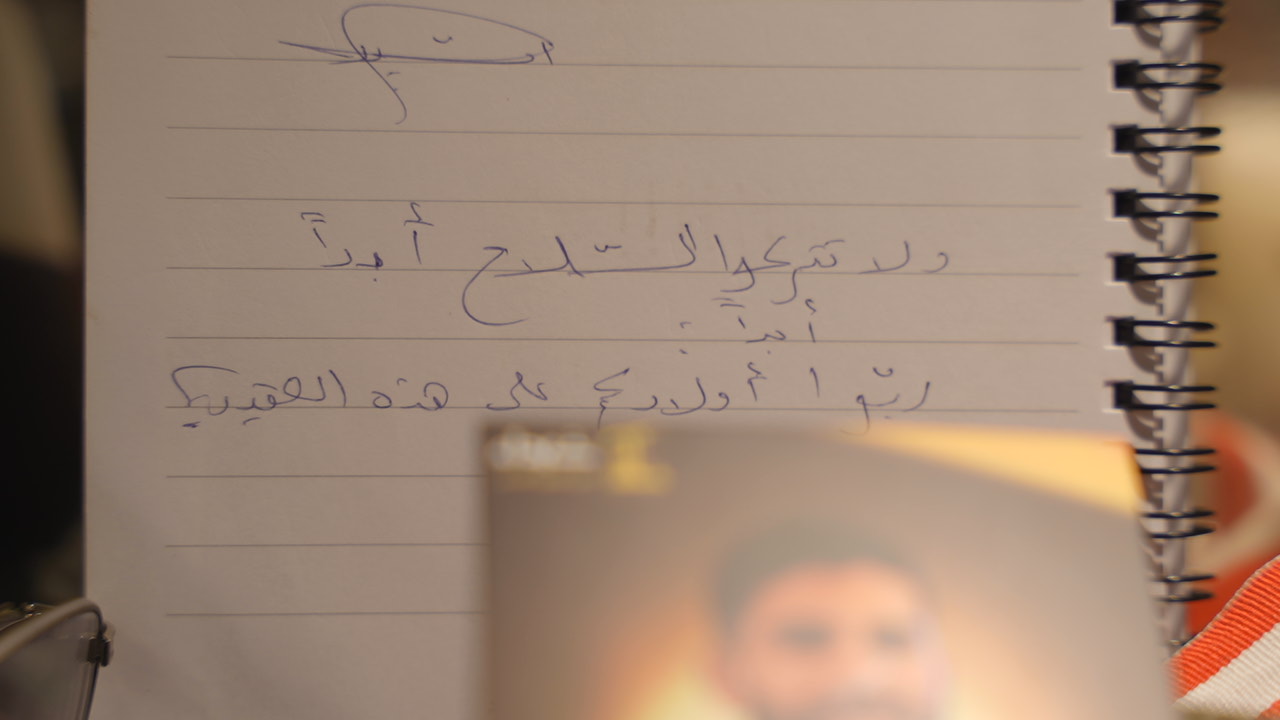
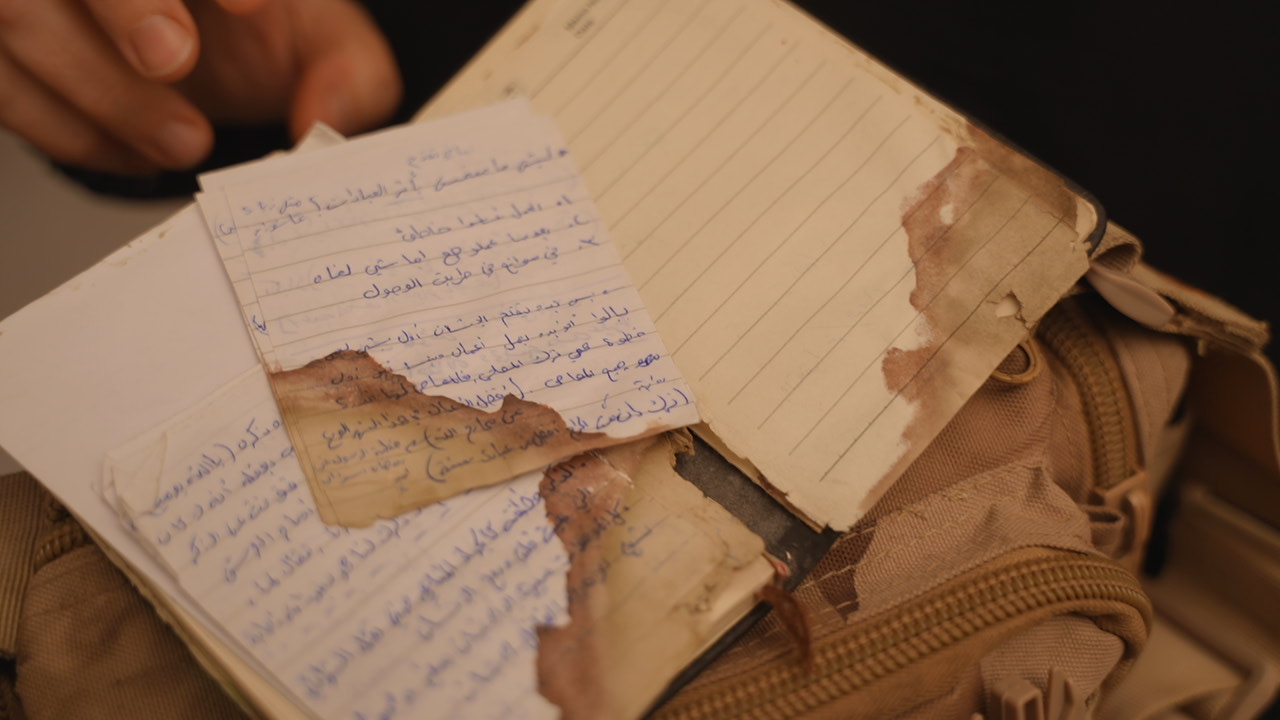
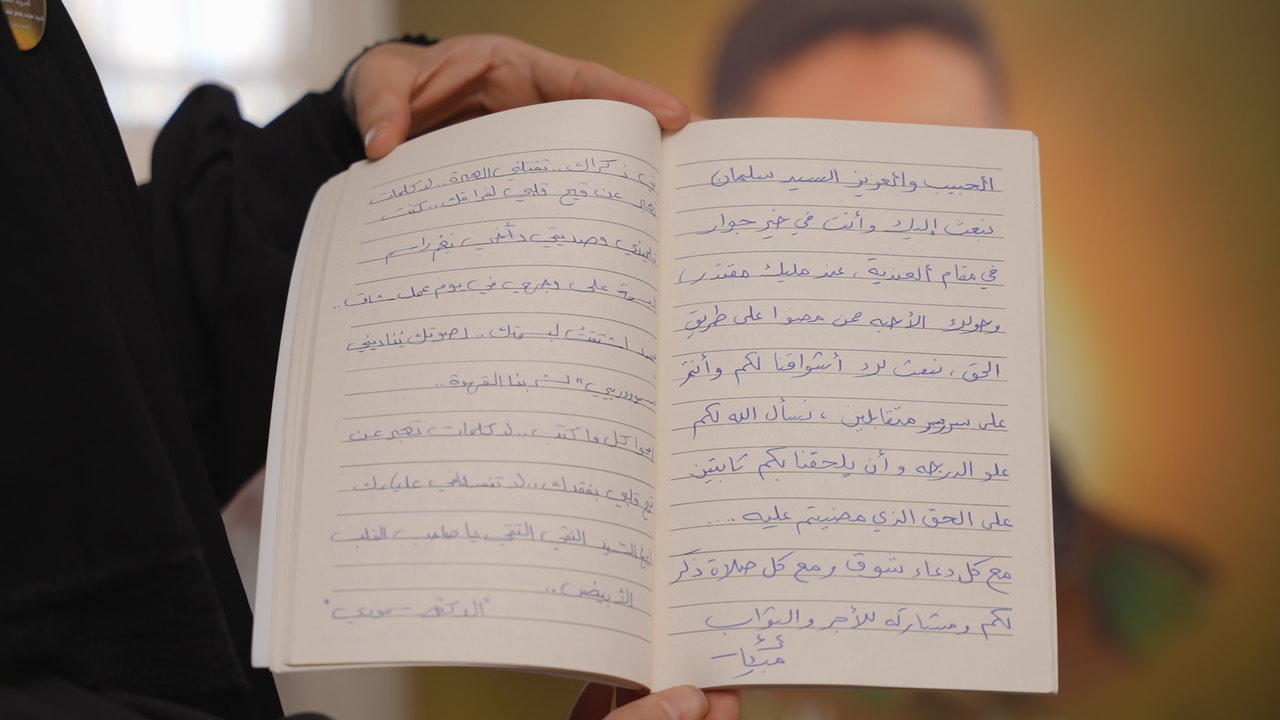
In his notebook, dated August 13, 2024, the following words were found: “Even though I participate in many youth activities and projects like scouts, mobilization, dialogue seminars, and others, I always feel this feeling, a sense of shortcoming, of wasted time, of emptiness... I don't know if this feeling is good or not, but I am burdened with concern: the concern of service, of filling the void, of not wasting time. My main goal is to dedicate my time and abilities to serve this path and this cause as much as possible...” و